How to Choose an Investment Property in Kenya Without the Hype
Cut through aggressive developer marketing, unfeasible yield promises, and computer-generated renderings. Here is the objective due-diligence framework for choosing high-performing investment properties in Kenya based on fundamentals.
Nairobi property landscape is saturated with hyperbole. Glossy architectural brochures, hyper-realistic computer-generated video fly-throughs, and social media campaigns constantly urge buyers to lock in once-in-a-lifetime investment returns before prices escalate. For both seasoned investors and first-time buyers, separating viable commercial assets from over-hyped speculative developments is essential.
Successful real estate investing in Kenya is not about following trending advertisements or getting swept up in launch day discounts. It is a disciplined exercise in checking fundamentals: evaluating developer solvency, auditing structural infrastructure, analyzing real tenant demographics, and verifying title security.
Rule 1: Dissect the Developer Historical Track Record
In an off-plan purchase, you are not merely buying bricks and mortar; you are buying the operational integrity, financial liquidity, and management competence of the development firm.
Never evaluate a developer based on their current showroom or computer renderings. Apply the Three-Project Audit:
1. Completed Project Inspection: Visit at least one development completed by the builder 3 to 5 years ago. Look for cracks in plasterwork, water seepage in basement parking bays, elevator service records, and tile adhesion quality.
2. Title Delivery Verification: Speak directly with the chairman of the residents management committee. Inquire whether the developer smoothly transitioned the building to the owners corporation and delivered individual Sectional Title Deeds without legal disputes.
3. Financial Transparency: Inquire whether the developer finances construction through verified institutional bank facilities, private equity partnerships, or relies solely on customer deposits to fund foundational earthworks.
Rule 2: Plinth Area vs Usable Living Area
One of the most common sales tactics in the Nairobi apartment market is the manipulation of floor space measurements.
Developers routinely market apartments using gross plinth area, which incorporates exterior wall thickness, half the width of shared corridor walls, balcony areas, and a proportional share of communal stairwells. A unit advertised as 90 square meters may contain only 72 square meters of actual usable living space.
Always instruct your advocate or independent quantity surveyor to measure the net interior living area from the registered architectural floor plans. Base your valuation and comparative market pricing strictly on net usable square meters.
Rule 3: Deconstruct the 'Guaranteed Rental Return' Trap
Guaranteed rental schemes are common marketing features across Nairobi emerging residential nodes. A typical promotion offers an 11 percent or 12 percent guaranteed annual return for 2 to 3 years post-completion.
There is no free lunch in commercial real estate. In almost every guaranteed rental scenario, the developer inflates the base purchase price by 15 to 20 percent above true open-market value. The developer then uses your own excess capital to pay you back your guaranteed monthly return over 24 or 36 months.
Once the contractual guarantee period expires, the investor faces the true market reality: realistic rents are 30 percent lower, leaving the owner with an asset that cannot sustain the projected yield on its inflated valuation.
Rule 4: Water and Power Infrastructure Audit
In emerging markets, municipal utility infrastructure cannot be taken for granted. In Nairobi, luxury finishes cannot compensate for dry taps or frequent power blackouts.
Before signing a sale agreement, audit three non-negotiable infrastructure components:
1. High-Yield Licensed Borehole: Does the site have an approved Water Resources Authority (WRA) licensed borehole with a certified reverse osmosis or filtration plant capable of supplying 100 percent of the development daily potable water needs?
2. Massive Water Storage Capacity: The development should maintain at least 48 to 72 hours of combined underground and rooftop buffer storage capacity (calculated at 200 liters per occupant per day).
3. Full-Load Standby Generator: Many developments install common-area generators that power only corridors, security electric fences, and elevators during power outages. Executive tenants demand full-load backup generators that automatically power internal apartment sockets, lighting, and refrigeration units without interruption.
Rule 5: The Tenant Demographic Match
Every successful property investment begins with a clear profile of the end tenant. Ask yourself: Who will live here, where do they work, and what specific lifestyle conveniences will they pay a premium for?
Key Takeaways
- 01.Ignore promotional yield claims; evaluate properties based on physical location, construction quality, and verified area rental comps.
- 02.Physically inspect completed past projects by the same developer to evaluate long-term maintenance and whether sectional title deeds were delivered.
- 03.Be skeptical of guaranteed rental return schemes, which typically price the guarantee into an inflated upfront purchase cost.
- 04.Ensure the property features critical infrastructure: a high-capacity licensed borehole, water treatment plant, and full-load standby backup generator.
- 05.Calculate acquisition cost per square meter using net usable interior floor area rather than developer gross plinth claims.
| Sub-Market | Target Tenant Demographic | Essential Value Drivers | Over-Supplied Features to Avoid |
|---|---|---|---|
| Westlands | Multinational expats, tech executives, consultants | Walking distance to grade-A offices, gym, high-speed fiber | Oversized 4-bedroom family layouts with high maintenance |
| Kilimani | Young professionals, consultants, short-stay travelers | Efficient studio/1-bed floor plans, proximity to dining | Generic units lacking interior storage or dedicated work desks |
| Kileleshwa | Diplomatic staff, established families, senior managers | Quiet residential streets, green views, spacious balconies | High-density micro-studios with excessive noise congestion |
| Parklands | Healthcare professionals, commercial traders, families | Proximity to premier hospitals, cultural amenities, security | Luxury penthouses with unfeasible service charges |
When your property physical configuration and amenities match the genuine economic requirements of an identifiable, solvent tenant pool, your vacancy rates remain minimal and your rental yields compound reliably over decades.

Zuri Estates Team
Property Advisory & Client Coordination
The Zuri Estates Team provides independent property guidance, market intelligence, and acquisition support across Nairobi and the Kenyan Coast. Operating from our Kilimani offices, our desk coordinates developer audits, physical site inspections, and legal conveyancing for homebuyers and investors.

Antony Baragu
Real estate strategist
This article has been reviewed by Antony Baragu to ensure the accuracy, completeness, and validity of all market metrics, property details, and investment guidance.
Related Residences, Developments & Neighbourhoods
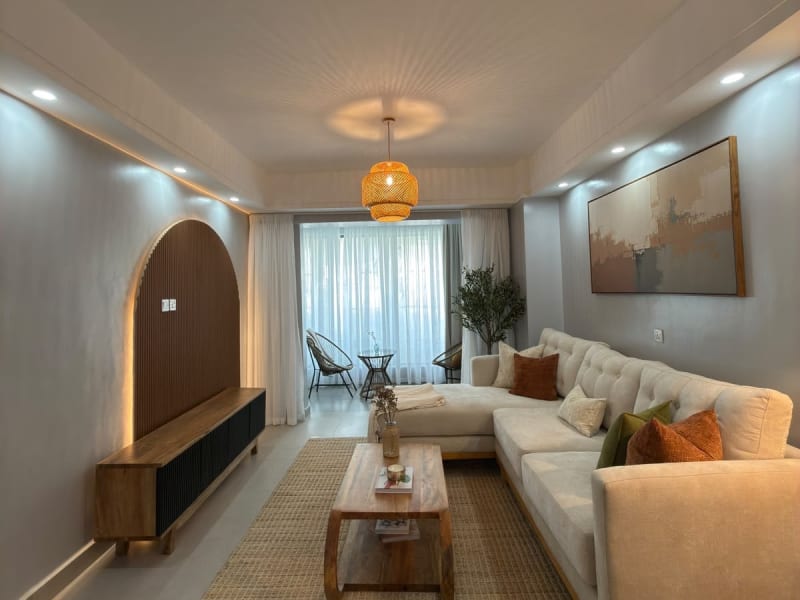
KILIMANI · MENELIK ROAD, OFF NGONG ROAD, KILIMANI, NAIROBI
Emerald Residences
Modern urban living with strong investment potential in Kilimani

WESTLANDS · NAIROBI
Oak West 2 Bedroom Apartment
Contemporary 2-bedroom living in the heart of Westlands.

Westlands · Vihiga Road, Kilimani, Nairobi
Luster Arbor Residency
Modern apartments designed for elegant city living and exceptional long-term investment.

Westlands · Muthithi Road, Westlands, Nairobi, Kenya
Montbleu Residences Westlands
Elevated Living. Timeless Design. Prime Westlands Address.

Featured Neighbourhood
Kilimani
Nairobi's vibrant apartment district with exceptional rental demand and investment potential.
Featured Neighbourhood
Kileleshwa
A peaceful, upscale neighbourhood offering elegant apartment living close to Nairobi’s key business districts.
Featured Neighbourhood
Westlands
Nairobi’s premier commercial and luxury residential district with exceptional investment potential.


