Kilimani vs Kileleshwa vs Westlands: Where Should You Buy an Apartment?
Nairobi three most popular apartment neighborhoods offer very different living environments and investment profiles. Here is an honest, data-grounded comparison of zoning density, rental yields, road connectivity, and lifestyle nuances.

For anyone considering buying an apartment in Nairobi, whether as a primary residence or a rental investment, three names dominate every property conversation: Kilimani, Kileleshwa, and Westlands. Situated within a contiguous 5-kilometer radius west and northwest of the Nairobi Central Business District, these three neighborhoods represent the economic engine of Kenya urban apartment market.
Yet, despite their physical proximity, each neighborhood possesses a distinct architectural character, planning density, tenant demographic, and investment dynamic. Choosing the right location is not merely a matter of finding a layout you like; it is about matching your lifestyle priorities and financial objectives to the fundamental economic reality of the neighborhood.
Neighborhood Character and Urban Fabric
To understand these areas, one must understand how their urban fabric has evolved over the past two decades:
1. Kilimani: The Vibrant Urban Core
Kilimani has transformed from an aristocratic residential zone of single-family colonial bungalows into Nairobi most cosmopolitan urban hub. With landmark commercial centers like Yaya Centre, Adlife Plaza, and dozens of boutique cafes, co-working spaces, and specialty restaurants along Lenana Road and Argwings Kodhek, Kilimani offers 24-hour convenience.
The trade-off is density. County zoning relaxations have allowed developers to construct high-rise towers up to 20 stories. On major streets, traffic congestion, weekend noise from entertainment venues, and localized pressure on municipal water and sewer lines are genuine considerations for residents.
2. Kileleshwa: The Leafy Residential Sanctuary
Directly bordering Kilimani to the north across the Kirichwa Kubwa river valley, Kileleshwa maintains a markedly more residential, suburban ambiance. Streets like Mandera Road, Githunguri Road, and Makueni Road feature mature acacia canopies, lush garden hedges, and a noticeably calmer pace of life.
While multi-story apartment developments have replaced older properties, building densities are generally lower than in Kilimani. Kileleshwa has few commercial shopping malls or noisy bars; residents enjoy quiet evenings while remaining a five-minute drive from shopping in Lavington Green or Westlands.
3. Westlands: The Corporate Powerhouse
Westlands is Nairobi undisputed secondary central business district. The neighborhood has absorbed the headquarters of global technology giants, international development banks, audit firms, and diplomatic missions along Chiromo Road, Parklands Road, and Waiyaki Way.
Apartments in Westlands cater heavily to international corporate executives, consultants, and young professionals who prioritize walking or short commuting distances to Grade-A office towers, luxury retail centers like Sarit Centre and Westgate, and world-class dining. It combines high commercial prestige with vibrant metropolitan energy.
Key Comparison Matrix: Data-Grounded Breakdown
Here is how the three sub-markets compare across vital property metrics:
| Comparison Metric | Kilimani | Kileleshwa | Westlands |
|---|---|---|---|
| Average Price / SqM (KES) | 100,000 - 130,000 | 105,000 - 135,000 | 135,000 - 180,000 |
| Typical 1-Bed Price (KES) | 6.5M - 8.5M | 7.0M - 9.0M | 9.5M - 13.5M |
| Typical 2-Bed Price (KES) | 9.5M - 13.5M | 10.5M - 15.0M | 14.5M - 22.0M |
| Gross Rental Yield (Long-Term) | 7.5% - 8.8% | 7.0% - 8.2% | 7.8% - 9.2% |
| Short-Stay / Airbnb Suitability | Very High (High demand & supply) | Moderate (Selective buildings) | Exceptional (Premium ADRs) |
| Dominant Tenant Profile | Young professionals, consultants, short-stay | Diplomats, corporate families, senior managers | Expats, tech executives, corporate directors |
| Noise & Density Level | High (Active 24/7 urban hub) | Low to Moderate (Residential calm) | Moderate to High (Metropolitan energy) |
| Road & Expressway Connectivity | Good (Ngong Rd, Argwings Kodhek) | Excellent (James Gichuru, Ring Rd) | Superior (Expressway on-ramp, Waiyaki Way) |
Road Connectivity and Commute Dynamics
Nairobi traffic can turn a 4-kilometer commute into a 90-minute ordeal if your property location is poorly connected to arterial roads:
1. Westlands Expressway Advantage: Westlands has direct, immediate access to the Nairobi Expressway on-ramp and off-ramp along Waiyaki Way. A corporate traveler can depart a Westlands apartment and arrive at Jomo Kenyatta International Airport (JKIA) in 15 minutes, completely bypassing downtown congestion.
2. Kileleshwa Ring Road Flow: Kileleshwa benefits from the expansive Ring Road network and the dual-carriageway expansion of James Gichuru Road, providing unobstructed flow toward ABC Place, Lavington, and the Southern Bypass.
3. Kilimani Multilateral Access: Kilimani is bounded by Ngong Road to the south and Valley Road/Ralph Bunche to the east. While Ngong Road is an expanded dual carriageway with bus-rapid-transit provisions, internal feeder roads like Denis Pritt and Wood Avenue can experience heavy bottlenecks during peak morning and evening school runs.
The Verdict: Which Neighborhood Should You Choose?
Your ideal choice depends on your specific investment timeline and personal lifestyle requirements:
Your priority is long-term capital preservation, corporate tenant demand, executive short-stay daily rates, and immediate access to the Nairobi Expressway and premier commercial office towers.
Key Takeaways
- 01.Westlands commands premium rental rates from corporate expatriates and multinational executives, yielding the highest commercial resilience.
- 02.Kilimani offers the most active nightlife, retail convenience, and short-stay tourism demand, but faces localized traffic and noise congestion.
- 03.Kileleshwa represents the premier choice for family living, combining leafy residential tranquility with rapid 10-minute access to Westlands and Lavington.
- 04.Westlands has the highest price per square meter (KES 135k to 180k), while Kilimani and Kileleshwa offer lower entry pricing (KES 100k to 135k).
- 05.Always evaluate the specific micro-street: two developments 300 meters apart in the same neighborhood can experience completely different noise and traffic realities.
You are seeking a peaceful, family-friendly home with mature green canopies, larger interior room dimensions, and proximity to premier international schools in Lavington without sacrificing quick access to central dining and shopping.
You want an energetic, highly connected urban lifestyle with walking access to dining, fitness clubs, and retail malls, or you are an investor looking for strong cashflow from compact apartments and serviced short-stay accommodations.

Zuri Estates Team
Property Advisory & Client Coordination
The Zuri Estates Team provides independent property guidance, market intelligence, and acquisition support across Nairobi and the Kenyan Coast. Operating from our Kilimani offices, our desk coordinates developer audits, physical site inspections, and legal conveyancing for homebuyers and investors.

Antony Baragu
Real estate strategist
This article has been reviewed by Antony Baragu to ensure the accuracy, completeness, and validity of all market metrics, property details, and investment guidance.
Related Residences, Developments & Neighbourhoods
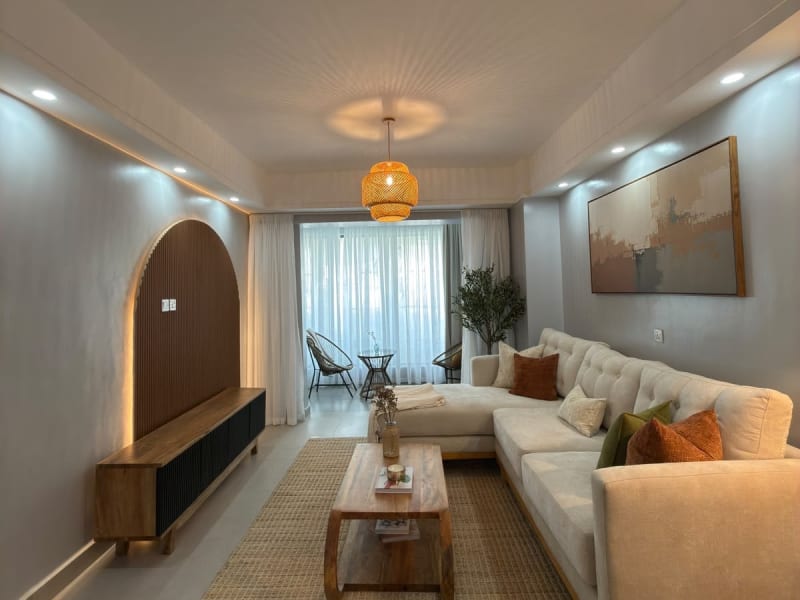
KILIMANI · MENELIK ROAD, OFF NGONG ROAD, KILIMANI, NAIROBI
Emerald Residences
Modern urban living with strong investment potential in Kilimani

KILIMANI · NAIROBI
Tsavorite Kilimani
Modern urban living with strong investment potential in Kilimani

WESTLANDS · NAIROBI
Oak West 2 Bedroom Apartment
Contemporary 2-bedroom living in the heart of Westlands.

Westlands · Vihiga Road, Kilimani, Nairobi
Luster Arbor Residency
Modern apartments designed for elegant city living and exceptional long-term investment.

Kileleshwa · Mandera Road, Kileleshwa, Nairobi, Kenya
Maylan Park Residence
Contemporary Living in the Heart of Kileleshwa

Westlands · Muthithi Road, Westlands, Nairobi, Kenya
Montbleu Residences Westlands
Elevated Living. Timeless Design. Prime Westlands Address.

Featured Neighbourhood
Kilimani
Nairobi's vibrant apartment district with exceptional rental demand and investment potential.
Featured Neighbourhood
Kileleshwa
A peaceful, upscale neighbourhood offering elegant apartment living close to Nairobi’s key business districts.
Featured Neighbourhood
Westlands
Nairobi’s premier commercial and luxury residential district with exceptional investment potential.


