Investing in Tatu City: Infrastructure, Special Economic Zone Incentives, and Capital Growth
An executive evaluation of Tatu City: 5,000 acres of privately managed infrastructure, SEZ corporate tax breaks, and residential appreciation.

Standing at the intersection of Tatu Parkway and Ruiru-Kamiti Road in Kiambu County, the contrast with standard Kenyan suburban development is striking. Wide multi-lane asphalt boulevards feature subterranean stormwater drainage, dedicated pedestrian and cycle paths, underground high-voltage electrical conduits, and fiber-optic backbones. Spanning over 5,000 acres, Tatu City represents Kenya's most successful operational private mixed-use satellite city and premier designated Special Economic Zone (SEZ).
For property buyers, multinational corporations, and institutional investors, Tatu City represents a complete decoupling from municipal infrastructure vulnerabilities. In an urban environment where public grid blackouts, municipal water rationing, and unpaved access roads frequently diminish commercial productivity and residential satisfaction, Tatu City operates its own private utilities. With a dedicated 135 MVA bulk power substation, on-site water treatment works, and private urban management, it provides institutional certainty and sustained capital appreciation.
The Special Economic Zone Fiscal Advantage
Enterprises operating within Tatu City SEZ enjoy a preferential corporate income tax rate of 10 percent for their first 10 years, 15 percent for the subsequent five years, permanent exemptions from Value Added Tax (VAT), zero stamp duty on land transactions, and complete customs duty waivers on imported capital construction machinery.
1. Master Planning and Mixed-Use Precinct Architecture
Tatu City is organized into carefully zoned functional precincts designed to prevent incompatible land-use conflicts. By integrating industrial logistics, commercial headquarters, residential neighborhoods, and international educational campuses, the master plan creates a true live-work-play ecosystem.
Kijani Ridge: Low-Density Luxury Residential Enclave
Kijani Ridge comprises over 650 acres of gently undulating landscape dedicated exclusively to low-density single-family villas. Parcels are sold as fully serviced quarter-acre and half-acre plots with deed-registered architectural design codes. Homes feature contemporary architecture, indigenous landscape buffers, and subterranean utility connections, overlooking natural dams, walking trails, and preserved green open spaces.
Unity Homes and High-Density Residential Nodes
To serve the growing professional workforce employed within the city and along the Thika Superhighway corridor, Tatu City partnered with developers like Unity Homes to deliver master-planned modern apartment communities (Unity West, Unity East). These developments feature contemporary two and three-bedroom apartments set within secure gated perimeters, offering swimming pools, gymnasiums, and children's play areas.
Tatu Industrial Park: The Regional Manufacturing & Logistics Hub
Covering over 1,500 acres, Tatu Industrial Park is East Africa's largest private logistics and manufacturing zone. Host to over 75 regional and global blue-chip corporations including Unilever, Heineken, Freight Forwarders Solutions, Copia, Dormans Coffee, Cold Solutions, and Twiga Foods, the park provides heavy industrial power, wide turning radii for 40-foot articulated trucks, and direct highway access to the Northern and Eastern Bypasses.
Tatu Central: The Mixed-Use High-Density Core
At the geographic heart of the master plan lies Tatu Central, the city's commercial downtown district. Designed around pedestrianized esplanades, public civic squares, and green courtyards, Tatu Central integrates Grade-A corporate office complexes, financial service hubs, tech incubators, boutique retail shopping boulevards, and full-service outpatient healthcare facilities. This density ensures that residents enjoy cosmopolitan urban amenities within a five-minute walk of residential neighborhoods.
2. Asset Classes, Land Pricing, and Investment Returns
Real estate capital values across Tatu City have demonstrated consistent annual appreciation, supported by institutional management and infrastructural completion. The analytical table below details typical land prices, construction typologies, rental yields, and target tenant profiles across the city's key investment precincts.
| Precinct / Asset Class | Average Plot / Unit Size | Capital Pricing Range | Monthly Rental Yield | Primary Investor / Buyer Profile | Key Infrastructure Anchor |
|---|---|---|---|---|---|
| Kijani Ridge (Serviced Land) | 0.25 to 0.50 Acre plots | KES 28M - 48M per plot | Capital growth (12-15% p.a.) | High-net-worth owner-occupiers, executives | Underground power, paved roads, water dams |
| Unity Homes (2/3-Bed Apartments) | 75 to 110 square meters | KES 8.5M - 14.5M per unit | 7.8% - 8.8% net rental yield | Buy-to-let investors, middle managers | Community pool, clubhouse, 24/7 security |
| Tatu Industrial Park (Logistics Land) | 1.0 to 10.0+ Acres | KES 55M - 85M per acre | 9.5% - 11.2% (Triple-net leases) | Multinational FMCG, logistics, cold storage | 135 MVA substation, heavy truck pavement |
| Tatu Central (Commercial Office) | 500 to 2,500 square meters | KES 14,000 - 18,000 / sq ft | 8.5% - 9.8% net rental yield | Corporate headquarters, tech campuses, banks | Pedestrian plazas, high-speed fiber, retail |
| Education & Institutional Enclave | 5.0 to 20.0 Acres | Institutional land agreements | Long-term educational concessions | International school chains, medical centers | Crawford International, Nova Pioneer campuses |
Secondary Market Liquidity, Resale Premiums, and Deed Covenants
Historical land transaction records in Kijani Ridge demonstrate dramatic capital compounding. Initial plot releases in 2015 at approximately KES 10 million for quarter-acre parcels now trade in excess of KES 28 million to KES 35 million on the secondary market. Liquidity in Tatu City is substantially higher than in uncoordinated subdivisions across Kiambu because buyers acquire titled land with guaranteed infrastructure, eliminating the protracted disputes over roads, electricity transformers, and water connections common elsewhere.
3. Infrastructure Decoupling: Private Utilities in Action
The fundamental value proposition of Tatu City is its complete infrastructure autonomy. Unlike conventional property developments in Kenya that depend on fragmented municipal service delivery, Tatu City operates as a private utility concessionaire.
Dedicated Bulk Power and Electrical Reticulation
Through a landmark public-private partnership with Kenya Power and Lighting Company (KPLC), Tatu City financed and constructed a private 135 MVA 66/11kV electrical bulk substation on-site. Power is distributed across the city entirely via subterranean concrete ducting, eliminating unsightly overhead poles and vulnerable overhead wires. The closed-loop dual-feeder architecture guarantees industrial and residential tenants 99.8 percent power availability.
Potable Water Treatment and Subterranean Drainage
Tatu City operates its own licensed water utility, drawing raw water from local rivers alongside high-yield deep aquifer wells. The on-site water treatment plant utilizes advanced coagulation, sand filtration, and chlorination to deliver drinking water that complies with KEBS standards directly to household meters. Subterranean concrete culverts collect surface stormwater runoff and channel it into engineered attenuation dams, preventing soil erosion and recharging natural aquifers.
Dark Fiber Backbones, Solar Integration, and Smart City Telemetry
Telecommunications infrastructure across Tatu City features carrier-neutral dark fiber-optic conduits installed beneath all road reserves, enabling instantaneous gigabit broadband connectivity through providers including Safaricom, Liquid Intelligent Technologies, and Jamii Telecommunications. In addition, commercial and industrial facility rooftops host over 15 megawatts of grid-tied solar photovoltaic arrays, feeding clean renewable energy into the city's private microgrid and advancing sustainability goals.
4. Special Economic Zone (SEZ) Fiscal Framework and Tax Incentives
Tatu City was gazetted as Kenya's first private Special Economic Zone under the Special Economic Zones Act, 2015. This statutory status grants enterprises located within the zone extraordinary fiscal and administrative advantages over regular domestic businesses.
| Tax / Regulatory Category | Standard Kenyan Domestic Company | Tatu City Licensed SEZ Enterprise | Direct Commercial Benefit |
|---|---|---|---|
| Corporate Income Tax | Standard 30% flat corporate tax rate | 10% for first 10 years; 15% for next 5 years | Massive operational cash flow reinvestment |
| Value Added Tax (VAT) | Standard 16% on goods, inputs, and services | 0% permanent VAT exemption on all qualifying inputs | Reduces capital project costs by 16% immediately |
| Stamp Duty on Land Deals | 4% on urban land acquisitions / transfers | 100% statutory exemption from stamp duty | Saves KES 4M on every KES 100M land acquisition |
| Customs & Import Duties | 10% to 35% duty on imported machinery and steel | 0% exemption on capital machinery and equipment | Dramatically reduces factory and warehouse setup costs |
| Withholding Tax (WHT) | 5% on local dividends; 10-20% on foreign services | 5% on non-resident dividends; 10% on consulting fees | Optimized cross-border profit repatriation |
| Administrative Facilitation | Multiple fragmented county and state ministries | One-Stop-Shop Centre (SEZA) on-site at Tatu City | Rapid issuance of work permits, licenses, and building approvals |
5. Due Diligence and Title Security for Buyers
Purchasing property in Tatu City offers exceptional conveyancing clarity compared to standard land transactions in Kiambu County. All land in Tatu City is held under clean freehold or 99-year renewable leasehold titles registered directly under the Land Registration Act, 2012.
Buyers purchase directly from the master developer, Tatu City Limited (a subsidiary of Rendeavour, Africa's largest urban land developer). All subdivisions possess certified cadastral mutation plans approved by the Director of Surveys, eliminating boundary disputes or third-party land-buying company claims. Crucially, title transfers within Tatu City are exempt from the standard four percent stamp duty under the SEZ Act, saving homebuyers and commercial investors hundreds of thousands of shillings at closing.
Homeowners Association (HOA) Governance and Long-Term Sinking Funds
Property values in Tatu City are protected by institutional management bodies. Residential enclaves like Kijani Ridge operate under professionally managed homeowners associations funded through transparent monthly service charges. These revenues support 24/7 private vehicle patrols, common landscape maintenance, automated street lighting, and dedicated sinking funds for road resurfacing, ensuring that the community never deteriorates into urban decay.
Architectural Review Committee (ARC) Approval Workflows
Before initiating construction in Kijani Ridge, plot owners must submit their detailed architectural and MEP plans to the Tatu City Architectural Review Committee (ARC). The ARC reviews submissions to verify compliance with aesthetic covenants: minimum roof pitches, approved natural building materials (stone, textured plaster, timber accents), environmental solar water heating integration, boundary wall transparency rules, and minimum six-meter building setback lines from road reserves. Once ARC approval is secured, the developer assists the owner through expedited statutory approvals via the on-site Kiambu County and SEZA desks.
Frequently Asked Questions About Investing in Tatu City
Where is Tatu City located?
Tatu City is located in Kiambu County, approximately 20 kilometers northeast of Nairobi's Central Business District, between Ruiru and Kamiti Road, with direct access to the Thika Superhighway and Northern and Eastern Bypasses.
What tax benefits do businesses get in Tatu City?
Licensed SEZ enterprises receive a 10 percent corporate tax rate for their first 10 years (15 percent for the next 5), permanent VAT exemption on inputs, zero stamp duty on land purchases, and duty waivers on capital imports.
Can private individuals buy residential land in Tatu City?
Yes. Individuals can purchase fully serviced quarter-acre and half-acre plots in Kijani Ridge, complete with underground power, water, fiber-optic connections, and paved road access.
What type of title deed is issued to buyers in Tatu City?
Residential buyers receive clean, individual sub-lease titles registered under the Land Registration Act, 2012, free of encumbrances and backed by master developer warranties.
Are building designs restricted in Kijani Ridge?
Yes. Homebuilders must adhere to the Kijani Ridge Architectural Design Guidelines, which mandate contemporary architectural styles, specified roof pitches, earth-tone colors, and low-impact fencing.
How does Tatu City guarantee reliable electric power?
Tatu City operates its own private 135 MVA 66/11kV power substation with underground cabling, providing industrial and residential users with over 99.8 percent continuous power uptime.
What major companies are operating in Tatu Industrial Park?
Over 75 leading companies operate in the park, including Unilever, Heineken, Dormans Coffee, Freight Forwarders Solutions, Copia, Cold Solutions, Twiga Foods, and Davis and Shirtliff.
What schools are located inside Tatu City?
Tatu City hosts leading international educational institutions on-site, including Crawford International School and Nova Pioneer Primary and Secondary campuses.
What are the typical rental yields on apartments in Tatu City?
Completed residential apartments like Unity Homes achieve net rental yields between 7.8 percent and 8.8 percent, driven by strong workforce demand from nearby industrial and commercial tenants.
How does the Special Economic Zone authority assist investors?
The Special Economic Zones Authority (SEZA) operates an on-site One-Stop-Shop Centre at Tatu City, streamlining business registration, expatriate work permits, NEMA licenses, and customs clearances in days rather than months.
Verified Sources & References
Official & Peer ReviewedSpecial Economic Zones Act, 2015 (Act No. 16 of 2015)
“Establishes the legal framework, corporate tax incentives, customs waivers, and regulatory governance for designated Special Economic Zones in Kenya.”
Physical and Land Use Planning Act, 2019
“Governs private city master plans, integrated mixed-use zoning schemes, infrastructure wayleaves, and county development approvals.”
Land Registration Act, 2012
“Regulates the registration of clean freehold and leasehold titles, cadastral survey mutation plans, and official searches in Kiambu County.”
Tax Procedures Act, 2015
“Provides for statutory administration of tax exemptions, withholding tax reliefs, and corporate fiscal incentives under the Kenya Revenue Authority.”
Environmental Management and Co-ordination Act, 1999 (EMCA)
“Mandates comprehensive strategic environmental assessments, annual environmental audits, and effluent discharge monitoring across mixed-use cities.”
Zuri Estates Team
Property Advisory & Client Coordination
The Zuri Estates Team provides independent property guidance, market intelligence, and acquisition support across Nairobi and the Kenyan Coast. Operating from our Kilimani offices, our desk coordinates developer audits, physical site inspections, and legal conveyancing for homebuyers and investors.
Related Residences, Developments & Neighbourhoods
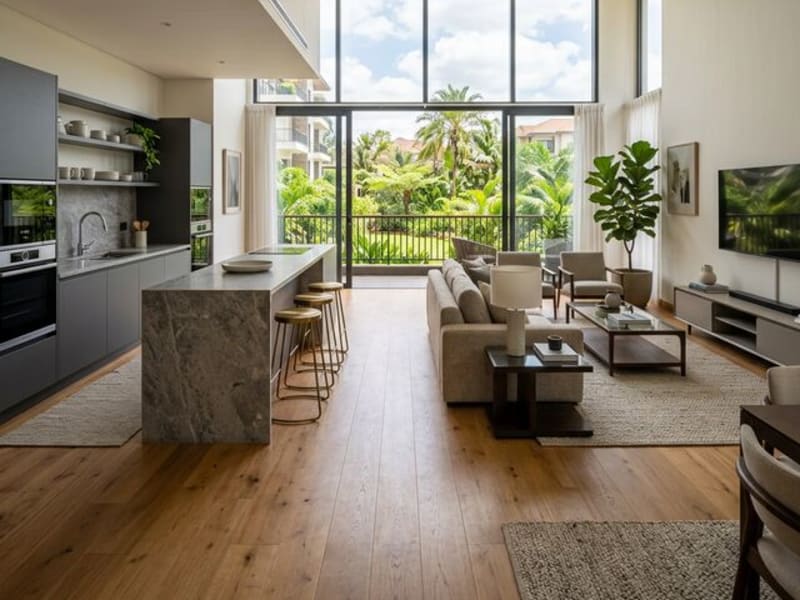
KILIMANI · DENNIS PRITT ROAD, KILIMANI, NAIROBI
1-Bedroom Double-Volume Loft at Aquarius Residences Kilimani
Iconic 65 sqm one-bedroom double-volume loft with 5.8-meter ceilings and mezzanine bedroom
KILIMANI · DENNIS PRITT ROAD, KILIMANI, NAIROBI
1-Bedroom Executive Suite at Aquarius Residences Kilimani
Curated 44 to 54 sqm one-bedroom executive suite optimized for high-yield short-stay rental
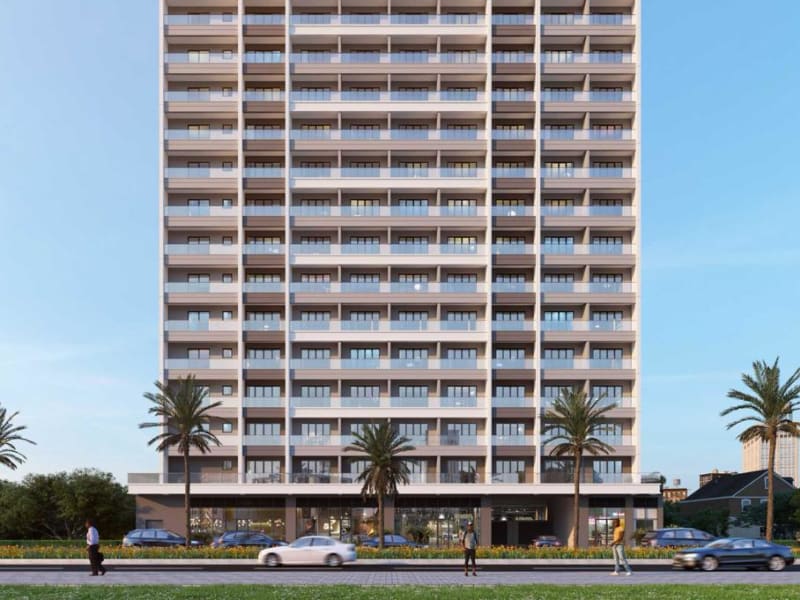
Kilimani · Dennis Pritt Road, Kilimani, Nairobi
Aquarius Residences
Curated 1 and 2-bedroom executive suites and double-volume lofts on Dennis Pritt Road
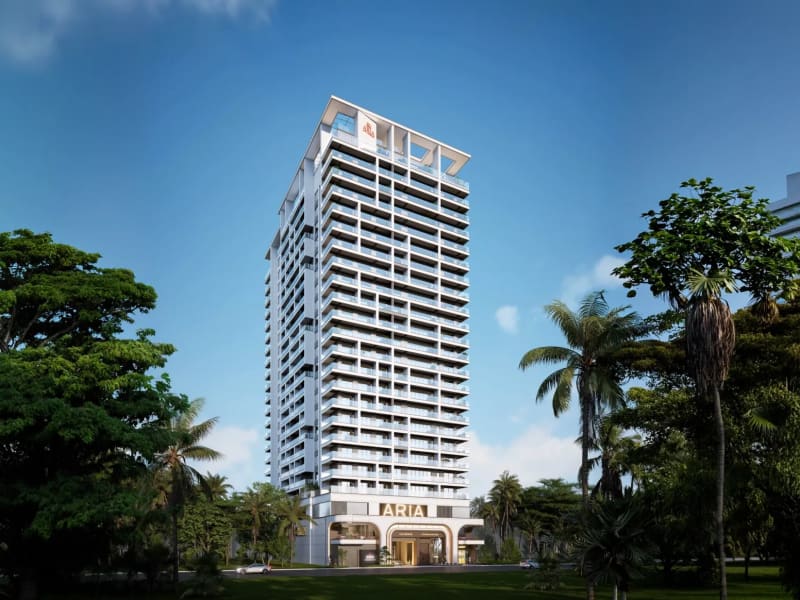
Upper Hill · Mawensi Road, Upperhill, Nairobi
Aria Capital Residences
Signature 1, 2 and 3-bedroom luxury sky residences on Mawensi Road
Nairobi Suburb
Kilimani
Nairobi's vibrant apartment district with exceptional rental demand and investment potential.

Nairobi Suburb
Runda
Prestigious Embassy Living in a Secure Garden Suburb

Nairobi Suburb
Kitisuru
Exclusive Green Living with Luxury Homes & Privacy