Kenya Coast Property Investment Guide: Beachfront Villas, Holiday Rentals, and Capital Growth
A comprehensive, research-backed guide to investing in Kenyan coastal property: covering Diani Beach, Nyali, Watamu, and Malindi, the Dongo Kundu Bypass, riparian high-water mark law, and realistic holiday rental yields.

Key Takeaways
- 01.The Kenyan coastal property market operates on distinct regional drivers: Nyali functions as Mombasa's primary executive residential suburb, Diani serves as the flagship beach tourism capital, Watamu caters to conservationists and European holidaymakers, while Malindi offers historic colonial villas and wellness retreats.
- 02.Infrastructure modernization has revolutionized transit corridors. The Dongo Kundu Bypass connects Moi International Airport and the SGR terminal directly to the South Coast, eliminating the Likoni Ferry bottleneck and reducing travel time to Diani to under 45 minutes.
- 03.Beachfront real estate is governed by strict statutory riparian setbacks. Under the Survey Act Cap 299 and NEMA environmental regulations, a mandatory 30-meter high-water mark reserve must be preserved, preventing permanent construction seaward of the tidal boundary.
- 04.Holiday villa returns must account for coastal seasonality. While peak festive occupancy exceeds 85%, annual occupancy settles between 45% and 55%, yielding realistic net cash-flow returns of 6.2% to 8.0% after management fees, pool upkeep, power costs, and the 7.5% Residential Rental Income Tax.
1. Introduction: The Coastal Real Estate Transformation
Stretching across more than 500 kilometers of tropical Indian Ocean shoreline, the Kenyan Coast represents one of the most distinctive property markets in Africa. For generations, coastal real estate was perceived primarily as an exotic leisure playground, dominated by private holiday homes owned by wealthy Nairobi families, European winter residents, and legacy colonial estates.
Over the past decade, that narrative has shifted fundamentally. Major national infrastructure investments, expanding domestic tourism, a growing diaspora investor base, and the rise of remote professional working have transformed the coastal strip into a mature, multi-billion-shilling property sector. Today, the coast encompasses high-yield holiday apartments, executive residential gated estates, international logistics parks, and conservation-focused oceanfront compounds.
However, successful capital allocation on the coast demands careful geographic differentiation and legal diligence. Each coastal county (Mombasa, Kilifi, Kwale, and Lamu) features distinct land tenure histories, environmental constraints, and municipal bylaws. An investor purchasing an apartment in Nyali navigates urban infrastructure, steady year-round corporate tenancies, and municipal sewer systems, whereas an oceanfront villa buyer in Diani or Watamu must manage seasonal occupancy curves, private borehole desalination, and high-water mark survey boundaries.
2. Key Investment Drivers Across the Coastal Strip
Coastal property appreciation and cash flow are propelled by four structural economic drivers:
1. Infrastructure Connectivity: The commissioning of the Dongo Kundu Bypass in 2024, regular standard gauge railway (SGR) passenger services between Nairobi and Mombasa, and expanding flight frequencies into Ukunda, Malindi, and Moi International Airport have dismantled historical transit friction.
2. Expanding Domestic Tourism: Domestic Kenyan travelers have transformed coastal hospitality. While European charter tourism remains significant during the winter months, domestic holidaymakers from Nairobi, Kisumu, and Eldoret provide dependable occupancy during school holidays and long weekends throughout the year.
3. Favorable Climate and Lifestyle Migration: The global normalization of remote and hybrid work has attracted executives, digital entrepreneurs, and retirees seeking year-round sunshine, clean ocean air, and a relaxed coastal lifestyle.
4. Scarcity of Prime Oceanfront Parcels: Because direct beachfront land is finite, established oceanfront corridors in Diani, Nyali, and Watamu have experienced consistent capital appreciation, making them effective hedges against currency inflation.
Coastal Real Estate Benchmark Indicators
3. Submarket Comparative Analysis: Nyali, Diani, Watamu, and Malindi
Understanding the commercial differences among the primary coastal nodes is essential for selecting the appropriate asset class.
| Coastal Submarket | County & Geography | Primary Property Typology | Target Tenant & Buyer Profile | Typical Entry Ticket (Illustrative) | Primary Risk & Consideration |
|---|---|---|---|---|---|
| Nyali | Mombasa County (North Coast) | Modern multi-story apartments & executive gated villas | Corporate executives, medical specialists, long-term families | KES 9M - 18M (Apartments); KES 35M - 75M (Villas) | High urban density, traffic congestion on Nyali Bridge, municipal rates |
| Diani Beach | Kwale County (South Coast) | Luxury beachfront villas, boutique cottages & resort plots | International tourists, diaspora buyers, retreat operators | KES 14M - 35M (Cottages); KES 45M - 120M+ (Beach villas) | Seasonal occupancy swings, water salinity, high-water mark verification |
| Watamu | Kilifi County (North Coast) | Swahili-style oceanfront villas, marine park residences | Italian & British expatriates, conservationists, luxury holidaymakers | KES 18M - 40M (Villas); KES 6M - 14M (Plots) | Marine reserve planning covenants, dependence on Malindi road transit |
| Malindi | Kilifi County (North Coast) | Spacious colonial-era compounds, Casuarina estate villas | Retirees, wellness seekers, long-stay European winter residents | KES 12M - 28M (Villas); KES 3.5M - 8M (Suburban plots) | Airport runway extension timeline, historic leasehold expirations |
| Vipingo & Shanzu | Kilifi / Mombasa Border | Master-planned golf residences, modern coastal apartments | Golf enthusiasts, institutional investors, middle-income commuters | KES 8M - 22M (Apartments); KES 25M - 60M (Golf villas) | Controlled development bylaws, mandatory estate maintenance fees |
Nyali: Mombasa's Executive Residential Core
Positioned directly across the Tudor Creek from Mombasa Island, Nyali is the premier residential, diplomatic, and commercial address of the North Coast. Unlike purely tourism-driven towns, Nyali operates on a robust, year-round urban economy. The suburb houses top private hospitals (such as Premier Hospital and Aga Khan Hospital Nyali), international schools, major bank branches, and retail centers including City Mall and Nyali Centre.
From an investment perspective, Nyali delivers stable, predictable returns. Two- and three-bedroom apartments along Links Road and Mount Kenya Road cater to senior port executives, corporate managers, and medical professionals on standard two-year residential leases. Capital values have demonstrated resilience, though investors must evaluate municipal infrastructure capacity and parking allocations in rapidly densifying sectors.
Diani Beach: The Crown Jewel of Coastal Tourism
Consistently voted Africa's leading beach destination, Diani Beach in Kwale County features pristine white sands, turquoise waters, and coral reef ecosystems. Real estate here is characterized by private villas situated on half-acre to two-acre wooded parcels along Diani Beach Road.
The completion of the Dongo Kundu Bypass has addressed Diani's primary historical challenge: the Likoni Ferry crossing. International visitors and domestic travelers can now transit directly from Mombasa's airport and train station to Diani along a continuous modern dual carriageway. This transport breakthrough has stimulated strong capital appreciation across Galu, Ukunda, and central Diani, while expanding the viable catchment for weekend short-stay getaways.
Watamu: Eco-Luxury and Marine Conservation
Nestled around Watamu Bay, Blue Lagoon, and Turtle Bay, Watamu offers an exclusive, low-density coastal atmosphere. Adjoining the Watamu Marine National Park and the historic Gedi Ruins, the village has cultivated a sophisticated blend of Italian hospitality, Swahili architectural design, and environmental conservation.
Properties in Watamu command premium holiday rental rates, particularly four- to six-bedroom staffed villas with private swimming pools and lush tropical gardens. Strict community covenants and national park buffer regulations prevent uncontrolled high-rise developments, preserving the village's intimate character and protecting long-term property values.
4. Holiday Villa Rental Economics: Seasonality and Net Cash Flow
Evaluating coastal holiday homes requires looking past peak-season nightly rates. A four-bedroom luxury villa in Diani or Watamu may achieve KES 45,000 to KES 65,000 per night during the Christmas and New Year festive peak, but pricing and occupancy fluctuate across four distinct annual seasons:
- Peak Season (Mid-December to Mid-January): 85% to 95% occupancy at maximum rates.
- High Season (July to October, Easter): 60% to 75% occupancy driven by European summer holidays, the wildebeest migration corridor, and domestic school vacations.
- Shoulder Season (February, March, November): 40% to 50% occupancy, popular for digital nomads and extended winter stays.
- Low Monsoon Season (April to June): 15% to 25% occupancy during the coastal rains (Kusi wind season), during which many properties schedule major maintenance, re-thatching, and staff leave.
| Operating Metric | Diani 4-Bedroom Beach Villa (Holiday Let) | Nyali 3-Bedroom Apartment (Long-Term Let) | Notes & Financial Assumptions |
|---|---|---|---|
| Acquisition Price (All-In) | KES 48,000,000 | KES 16,500,000 | Includes purchase cost, legal conveyancing, and stamp duty |
| Gross Annual Revenue | KES 6,200,000 | KES 1,560,000 | Villa at 48% annual occupancy; Apartment at KES 130,000/mo |
| Gross Yield | 12.92% | 9.45% | Gross income divided by total acquisition capital |
| Property Management / Agency Fee | - KES 1,240,000 (20%) | - KES 156,000 (10%) | Full holiday booking & concierge vs standard leasing agent |
| Utilities (Power, AC, Borehole, Internet) | - KES 680,000 | - KES 0 (Tenant pays) | Air conditioning and water heating represent high coastal power costs |
| On-Site Staff (Cook, Housekeeper, Gardener) | - KES 540,000 | - KES 0 (Tenant) | Staffed service is essential for luxury villa booking ratings |
| Pool, Garden & Salt-Air Maintenance | - KES 360,000 | - KES 60,000 | Chemicals, marine corrosion repainting, timber oiling |
| Annual Makuti Roof Sinking Fund | - KES 120,000 | - KES 0 (Tile/Concrete) | Amortized provision for 5-year full re-thatching cycle |
| Residential Rental Income Tax (7.5%) | - KES 465,000 | - KES 117,000 | Statutory tax under Section 6A of Income Tax Act on collected gross |
| Total Operating & Tax Deductions | KES 3,405,000 | KES 333,000 | Combined operational, maintenance, management, and tax costs |
| Net Annual Operating Income (NOI) | KES 2,795,000 | KES 1,227,000 | Net cash flow available for owner distribution |
| Real Net Cash Yield | 5.82% | 7.44% | Net Operating Income divided by all-in acquisition cost |
As the worked model illustrates, while a Diani holiday villa produces impressive headline gross revenue, operating costs (staff, power, pool chemicals, marketing commissions, and marine maintenance) absorb over 50% of gross earnings, resulting in a net yield of approximately 5.8%. Conversely, a long-term executive apartment in Nyali delivers a cleaner, lower-maintenance net yield of 7.4% with minimal management complexity.
5. Land Administration and Title Due Diligence on the Coast
Real estate conveyancing on the Kenyan Coast requires specialized legal expertise due to the region's layered land tenure history. The coastal strip (historically known as the 10-mile strip or Mwambao) was administered under the Land Titles Act of 1908, creating an intricate web of historic freehold titles, protectorate leases, and government land grants.
The 30-Meter High-Water Mark (Riparian Setback)
Under the Survey Act Cap 299, the Environmental Management and Co-ordination Act (EMCA 1999), and Physical Planning Regulations, beachfront properties are subject to a mandatory 30-meter riparian reserve measured from the highest water mark (HWM) of the Indian Ocean.
This riparian zone is public land intended to guarantee public foreshore access and preserve fragile dune ecosystems. When acquiring beachfront land, never rely on outdated historical boundary fences. Instruct a licensed surveyor to perform an official tidal survey and confirm that all existing or proposed permanent structures sit comfortably behind the certified 30-meter setback.
High-Water Mark Boundary Verification
Always commission an independent boundary survey by a registered surveyor before executing a purchase agreement for an oceanfront parcel. Historic coastal titles frequently include inter-tidal land or foreshore reserves that cannot be legally transferred or built upon under current Kenyan environmental law.
Historical Land Titles and Registry Verification
Coastal title records are registered under the Land Registration Act 2012 across county registries in Mombasa, Kwale, Kilifi, and Lamu. Crucial due diligence steps include:
- Registry Search and Green Card Inspection: Confirm the unbroken chain of title from original allocation to current vendor, ensuring no historical caveats or unresolved succession disputes exist.
- Settlement Schemes and Adjudication Areas: Exercise extreme caution when transacting in unadjudicated settlement schemes in parts of Kilifi or Kwale. Never purchase land based on committee letters, allotment letters, or elder witness signatures without an authentic Title Deed issued by the Ministry of Lands.
- County Rates Clearance: Verify that all historic municipal property rates payable to the County Government of Mombasa, Kilifi, or Kwale have been settled in full.
6. Infrastructure Milestones: Dongo Kundu and Beyond
The ongoing modernization of coastal transport links has fundamentally restructured regional property valuations.
- The Dongo Kundu Bypass (Mombasa Southern Bypass): This 19-kilometer dual carriageway connects the Nairobi-Mombasa Highway at Miritini directly to Kibundani on the Likoni-Ukunda road, via spectacular viaduct bridges over the Mwache and Tsunza creeks. By bypassing the Likoni Ferry, travel time from the airport to Diani has dropped from two to four unpredictable hours down to 40 minutes.
- Malindi Airport Upgrade: The ongoing expansion of Malindi Airport, including runway extension and modern terminal facilities, is designed to accommodate direct international flights from Europe, positioning northern Kilifi for substantial tourism growth.
- Vipingo Industrial and Residential Node: Situated 35 kilometers north of Mombasa, Vipingo represents a 10,000-acre master-planned hub featuring an operational industrial park, seawater desalination plant, residential developments, and the PGA-accredited Vipingo Ridge golf estate.
7. Coastal Property Maintenance: Salt Air, Humidity, and Makuti
Owning a home on the coast involves environmental maintenance considerations that do not exist in the highland interior. The combination of high ambient humidity, elevated temperatures, and airborne sodium chloride requires specialized construction specifications and proactive maintenance schedules.
Key maintenance essentials include:
- Marine-Grade Hardware: Standard mild steel corrodes within months in oceanfront environments. All exterior screws, hinges, railings, and structural ties must use marine-grade 316 stainless steel or hot-dip galvanized finishes.
- Timber Preservation: Hardwoods like mvule, teak, and treated coconut wood must be treated annually with specialized marine timber oils to prevent drying, cracking, and marine borer infestations.
- Makuti Thatched Roofing: Traditional makuti (woven coconut palm fronds) provides peerless natural insulation, maintaining indoor temperatures several degrees cooler than iron sheets or concrete. However, makuti requires maintenance: annual trimming and repointing, treatment with fire-retardant chemicals, and a full re-thatching cycle every four to six years.
Makuti Roof Insurance and Fire Protection
If purchasing a home with a makuti roof, ensure the structure is fitted with a certified lightning conductor and treated with fire-retardant spray. Kenyan insurance underwriters require specific fire-protection certifications before issuing building hazard policies on makuti structures.
8. Critical Risks, Trade-Offs, and Buyer Safeguards
Investors entering the coastal property market must navigate several distinct risks:
1. Water Security and Salinity: Municipal piped water supply is inconsistent across Kwale and Kilifi. Most coastal homes depend on private boreholes, which frequently yield brackish or saline water requiring commercial reverse osmosis (RO) desalination plants.
2. Coastal Erosion and Rising Tides: Beachfront properties without natural coral reef barriers or seawalls face seasonal sand erosion during the southeast monsoon (Kusi). Assess coastal topography and seawall condition carefully.
3. Informal Community Claims: Rural coastal land can be subject to historical community grievances or overlapping claims. Ensure transactions involve clean freehold or leasehold titles with verified Registry Index Maps (RIM).
9. Practical Coastal Buyer Checklist
Follow this practical four-stage due diligence workflow before committing capital to a property on the Kenyan Coast:
Stage 1: Site and Riparian Verification
- Conduct a physical site inspection with an independent surveyor.
- Verify beacons against the official Survey of Kenya Cadastral Plan.
- Confirm the 30-meter high-water mark setback for all beachfront plots.
- Inspect existing seawalls, beach access paths, and surrounding drainage.
Stage 2: Registry and Legal Due Diligence
- Perform a certified official title search at the relevant county registry (Mombasa, Kwale, Kilifi, or Lamu).
- Examine the green card ledger to verify original root of title, previous owners, and absence of encumbrances.
- Ensure unexpired lease terms exceed 45 years for leasehold properties.
- Obtain Land Control Board consent within six months for agricultural parcels outside municipalities.
Stage 3: Environmental and Engineering Audits
- Review NEMA Environmental Impact Assessment (EIA) licenses for active developments.
- Test borehole water quality for salinity, total dissolved solids (TDS), and bacterial contamination.
- Inspect timber roof trusses for termite or wood-borer infestation.
- Verify lightning conductor installations on all makuti structures.
Stage 4: Financial and Transaction Execution
- Retain an independent conveyancing advocate registered with the Law Society of Kenya.
- Hold all deposits (minimum 10%) in a formal stakeholder escrow account pending title transfer.
- Attend the government valuation visit to determine official stamp duty liability (4% municipal, 2% agricultural).
- Secure original title deeds, KRA tax compliance certificates, and county rates clearance certificates prior to final settlement.
10. Frequently Asked Questions About Kenya Coast Real Estate
Detailed answers to common questions asked by investors evaluating property acquisitions across the Kenyan Coast.
Verified Sources & References
Official & Peer ReviewedPhysical and Land Use Planning Act, 2019 (Act No. 13 of 2019)
“Statutory legislation governing physical planning permissions, zoning frameworks, coastal setback compliance, and county spatial development.”
Survey Act (Cap 299, Laws of Kenya)
“Statute regulating cadastral boundary surveys, beacon verification, tidal boundaries, and statutory riparian high-water mark reservations along the coastline.”
Land Control Act (Cap 302, Laws of Kenya)
“Statutory provisions governing transactions in agricultural land, mandatory Land Control Board consents, and legal restrictions on non-citizen land acquisitions.”
Environmental Management and Co-ordination Act, 1999 (EMCA)
“Principal environmental framework regulating Environmental Impact Assessment (EIA) licenses, coastal marine park protection, and foreshore conservation.”
Stamp Duty Act (Cap 480, Laws of Kenya)
“Statute prescribing legal duty rates of 4% for property situated within gazetted municipalities and 2% for parcels in rural jurisdictions.”
Zuri Estates Team
Property Advisory & Client Coordination
The Zuri Estates Team provides independent property guidance, market intelligence, and acquisition support across Nairobi and the Kenyan Coast. Operating from our Kilimani offices, our desk coordinates developer audits, physical site inspections, and legal conveyancing for homebuyers and investors.
Related Residences, Developments & Neighbourhoods
KILIMANI · DENNIS PRITT ROAD, KILIMANI, NAIROBI
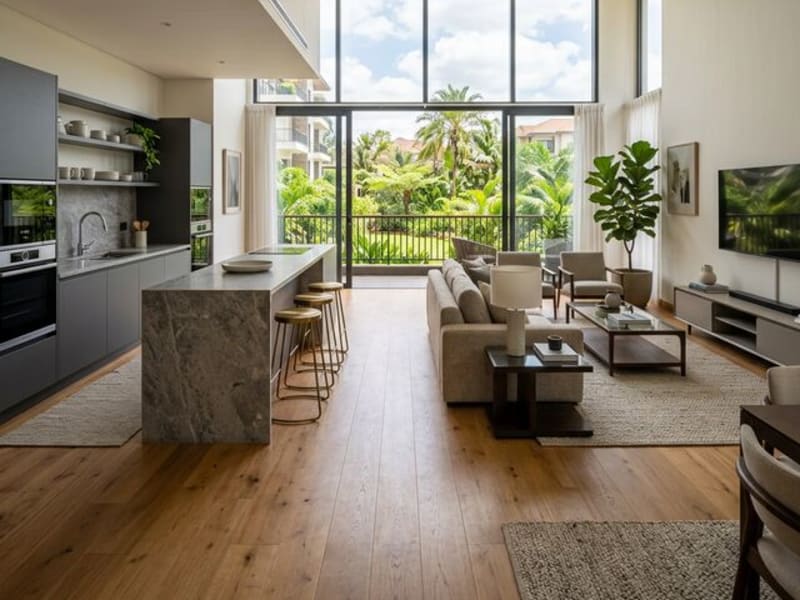
1-Bedroom Double-Volume Loft at Aquarius Residences Kilimani
Iconic 65 sqm one-bedroom double-volume loft with 5.8-meter ceilings and mezzanine bedroom
KILIMANI · DENNIS PRITT ROAD, KILIMANI, NAIROBI
1-Bedroom Executive Suite at Aquarius Residences Kilimani
Curated 44 to 54 sqm one-bedroom executive suite optimized for high-yield short-stay rental
Kilimani · Dennis Pritt Road, Kilimani, Nairobi
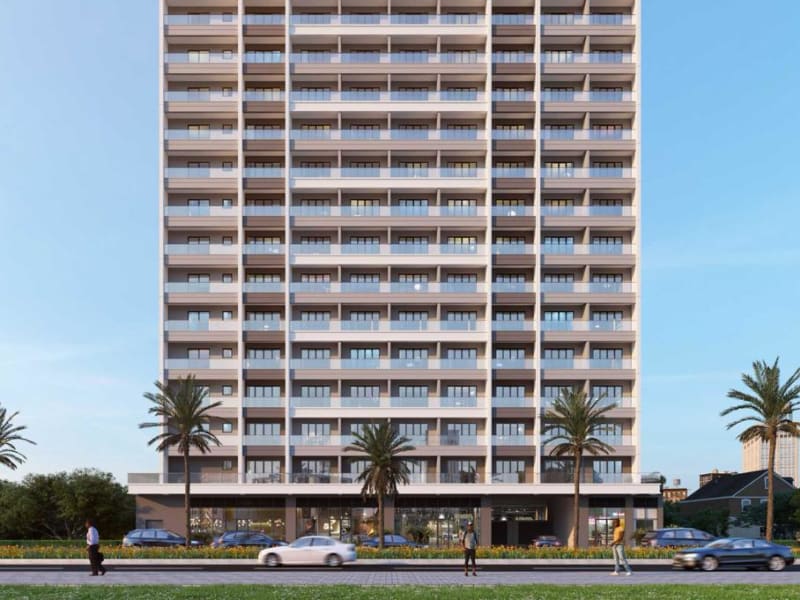
Aquarius Residences
Curated 1 and 2-bedroom executive suites and double-volume lofts on Dennis Pritt Road
Upper Hill · Mawensi Road, Upperhill, Nairobi
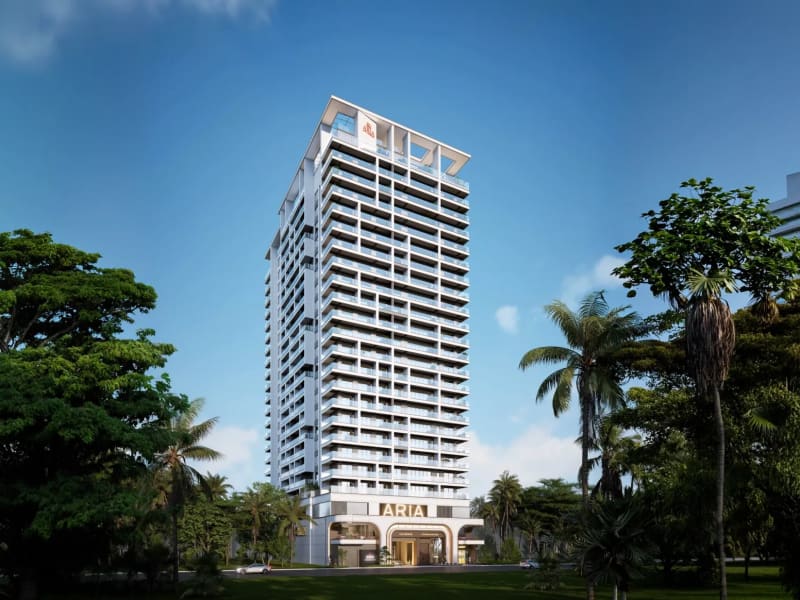
Aria Capital Residences
Signature 1, 2 and 3-bedroom luxury sky residences on Mawensi Road
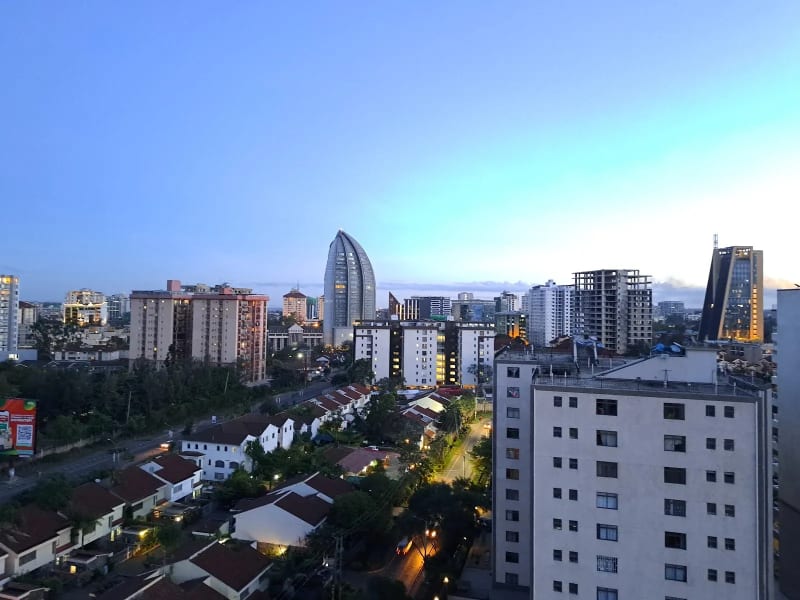
Nairobi Suburb
Kilimani
Nairobi's vibrant apartment district with exceptional rental demand and investment potential.

Nairobi Suburb
Runda
Prestigious Embassy Living in a Secure Garden Suburb

Nairobi Suburb
Kitisuru
Exclusive Green Living with Luxury Homes & Privacy