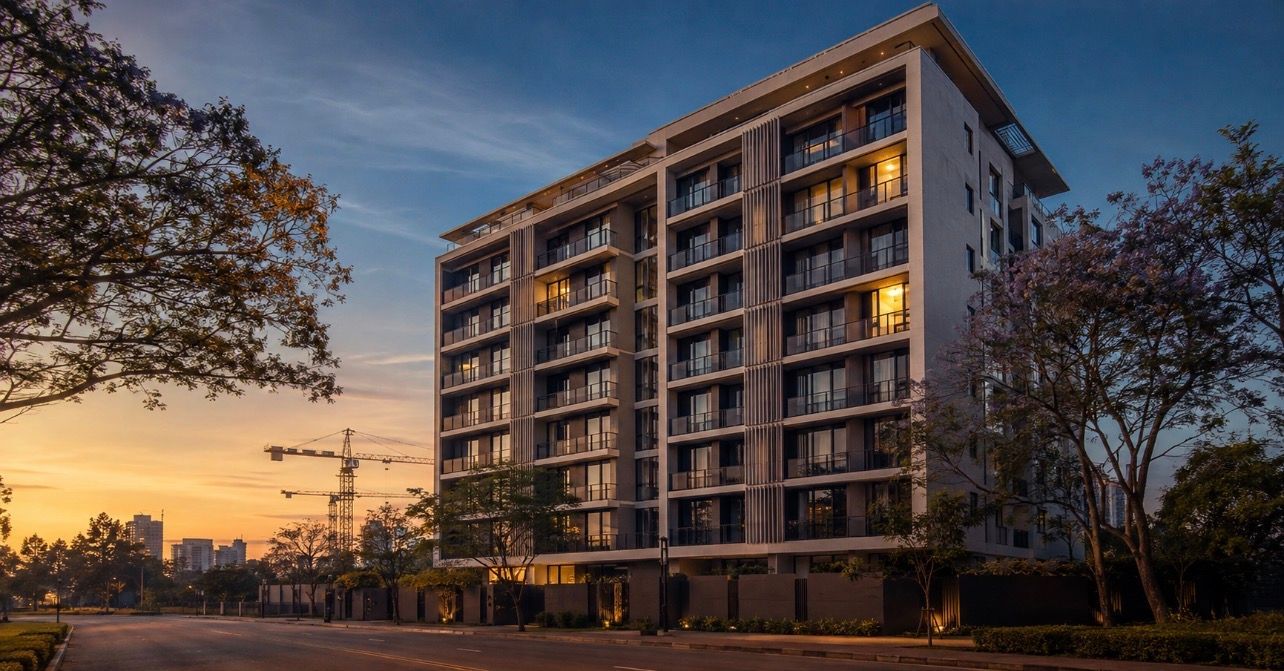
Off-Plan or Ready? The Honest Answer to Kenya's Most Contested Property Question
Everyone in Kenya has a strong opinion on off-plan versus ready apartments. Very few have a story to back it up. Here is the honest one, with real numbers, real risk, and no agenda.

Everyone in Kenya has a strong opinion on this. Very few have a story to back it up. Here is the honest one.
Let me start with something that happened last month.
A guy I know, Zawadi, called me from Edinburgh. IT consultant. Eight years abroad. Saving hard. He had finally decided he was ready to buy an apartment in Nairobi.
He had done his research. Or what he thought was research. He had found a developer online, watched their YouTube walkthrough three times, and was ready to send KSh 500,000 as a booking fee for an off-plan two-bedroom in Kilimani.
I asked him one question.
"Zawadi. Have you seen a building this developer has already completed? One you can walk into?"
There was a long pause.
That pause is why this article exists.
The Question Behind the Question
It Is Not Really About
Which One Is Better.
The debate between off-plan and ready apartments sounds like a simple comparison. Cheaper now versus safer now. Pay in installments versus pay in full. Wait three years versus move in next month.
But spend enough time walking apartments in Nairobi and you realize something. The question is almost never actually about the apartment.
It is about the person asking it. Their timeline. Their trust levels. Their financial situation. Whether they sleep well in uncertainty or wake up at 2am checking their phone for developer updates.
Off-plan and ready are not two products competing for your money. They are two completely different contracts you are signing with the future.
One says: trust me, it will be worth it.
The other says: here it is, take it or leave it.
Understanding which contract suits your life right now is the only question that actually matters. And the answer has almost nothing to do with which one looks better on a brochure.
The Off-Plan Promise
What That CGI Render
Is Actually Selling You.
You know that feeling when you are at a property exhibition and you see the booth with the scale model under the lights?
Perfect tiny trees. A blue pool that looks exactly the right temperature. Glass towers reflecting a sky that is always golden hour, always perfect.
That is the off-plan experience. Beautiful. Precise. And none of it exists yet.
That is not a complaint. It is just the honest description of what you are buying.
When you buy off-plan, you are buying a promise that has been dressed up very well. A developer with an approved plan, a cleared plot, and usually a partial structure shows you what will exist in two to four years. You pay less than what it will cost when finished. You pay in stages as the building rises. And if the developer delivers, you own something worth meaningfully more than you paid.
The numbers are real. In Nairobi's prime suburbs, completed apartments regularly sell at a 15 to 25 percent premium over their off-plan launch price. On a two-bedroom in Kileleshwa that might sell ready at KSh 14 million, entering at KSh 10.5 million off-plan and waiting three years is a genuine financial win. HassConsult's analysis of eight prime off-plan developments in 2025 found an average return on investment of 18 percent. That is not a rumour. That is audited performance data.
The installment structure is what makes diaspora buyers fall for off-plan particularly hard. And reasonably so. Zawadi in Edinburgh cannot wire KSh 14 million in one movement without it hurting. But KSh 1.4 million as a deposit, then quarterly installments over thirty months? That he can manage while still paying rent in Scotland and living his life.
It is a genuinely intelligent structure when the developer behind it is genuinely solid.
And there it is. That word. When.
The Other Side of the Promise
What They Don't Put
on the Billboard.
Kenya's construction costs rose 12 percent in 2025. The year before that, 17.5 percent. Fuel prices moving through the supply chain keep pushing materials upward in ways that developers who budgeted in 2022 did not anticipate.
That is not anyone's conspiracy. It is just economics.
But the consequence is this: a developer who launched an off-plan project at one cost structure in 2022 is building in a world that is 30 percent more expensive today. If they did not have contingency funding, if they were depending mostly on pre-sales revenue to fund construction, and if sales slowed down in 2023 and 2024 when the apartment market in prime Nairobi suburbs softened, they have a problem.
And their problem becomes your problem.
The pattern in Kenya is well-documented. A developer sells 60 percent of units off-plan and uses that money to begin construction. Construction starts strongly. Floors rise. Progress photos get sent to buyers every two months. Then quietly the updates slow. The WhatsApp messages get shorter. Then the messages stop. Then you hire a lawyer and discover the developer has a judgment against them from a contractor they stopped paying eighteen months ago.
This is not hypothetical. Our complete guide to development stages in Kenya describes exactly what a stalled project looks like and how to spot the early warning signs. The short version is this: if a project has been silent for three months with no verified construction update, you are no longer watching a delayed project. You are watching a stalled one. And stalled, in Kenya's property market, has a direction it tends to travel.
選The Honest Statistic
Over 90 percent of property transactions in Kenya are completed through cash or developer installment plans rather than bank mortgages. That means most of the money changing hands in off-plan deals has no bank standing between the buyer and the developer. The bank's due diligence, which would catch most fraudulent developers, simply does not exist. Your lawyer is the only protection.
So the off-plan promise is real. The risk is also real. And which one dominates your experience depends almost entirely on the developer you chose, and how much you verified before you signed anything.
The Ready Alternative
What Happens When
the Building Already Exists.
Amina is a nurse. She has been in the UK for seven years. She came home in January 2023, gave herself ten days, and bought a two-bedroom apartment in Kileleshwa.
She paid full market price. She did not get an installment plan. She did not get an early-bird discount. She got keys. Actual keys.
Two weeks later, the apartment was rented. She has received her rental income every month since. She is back in the UK now. She does not think about the apartment very much. Her property manager calls her occasionally. That is the whole story.
This is what ready for occupation actually means. Ready apartments can be inspected and occupied immediately after the transaction is completed. You walk in. The lights work. The taps produce water. The door opens with your key. A Certificate of Occupancy from the county government confirms the building is safe and legally cleared for habitation.
There is no waiting. There is no uncertainty about whether the pool on the CGI render will actually be built. There is no praying the developer makes payroll for their construction crew next month. There is only the apartment, and what it will earn you starting from Tuesday.
Banks love ready apartments too. Several banks including KCB, NCBA, Equity, and Stanbic operate diaspora mortgage desks specifically for overseas buyers. They will finance a completed unit with a valid occupation certificate far more readily than they will commit to a two-year-old off-plan project still at slab level.
The honest trade-off is straightforward. You pay more. You get certainty. In Nairobi's prime areas right now, that premium over off-plan is 15 to 25 percent. On a KSh 14 million apartment, that is a real number. But Amina will tell you it was worth every shilling, because she slept properly from the night she signed.
Not everybody values sleep the same way. That is a fair point. But it is worth knowing your own price for it before you decide.
"Amina paid more and got certainty. Zawadi paid less and got hope. Neither was wrong. They just signed different contracts with the future."The Diaspora Equation
Why Distance Changes
Everything About This Decision.
Here is something nobody says clearly in the off-plan marketing materials.
Monitoring a construction project effectively requires physical presence. Or at minimum, someone on the ground with the competence to visit the site regularly, photograph actual progress, verify the work against the approved plans, and report back honestly rather than in a way designed to keep you calm.
When you are in Edinburgh or Toronto or Dubai, you have a video call and some photos sent by the developer's own marketing team. That is not the same thing.
This is not to say diaspora buyers cannot buy off-plan. Many do, and successfully. But the ones who do it well are the ones who have arranged real independent representation on the ground. A lawyer with specific instructions. A trusted independent agent, not the developer's own agent, whose job is to visit the site monthly and report what is actually happening. And milestone-based payment terms in their sale agreement, so money only moves when verifiable physical progress has been achieved.
Our full diaspora buying guide covers this in detail. The short version is: distance is not a barrier to buying well. It is a reason to build better systems around the purchase than a local buyer would need.
The diaspora buyers who get hurt are not the ones who buy from far away. They are the ones who think being far away and trusting someone else is the same as doing due diligence. It is not.
Zawadi, by the way, ended up not sending that KSh 500,000 booking fee. He asked the developer for the name of one completed previous project. They sent him one address. He asked a cousin who lives in Nairobi to drive past and take a 2-minute video of the entrance, the lobby, and whatever was visible of the building.
The video came back. The building existed. It looked exactly as described. The cousin talked to the security guard, who confirmed the building had been occupied for three years.
He sent the deposit the next day. Not because the developer had good marketing. Because the building existed.
Man. Sometimes that is all the due diligence needs to be.
The Numbers Without the Marketing
What the Market Is
Actually Doing Right Now.
Because you deserve the real picture, not the brochure version.
Kenya's national residential property prices rose 7.8 percent year-on-year to June 2025. That is the highest capital appreciation among nine global markets analysed by HassConsult. Since the year 2000, Kenyan residential prices have climbed 425 percent. For context, the US managed 201 percent in that same period, France 151 percent, Singapore 122 percent. The long-term case for Kenyan property is strong by any honest comparison.
But the detail matters. Nairobi's premium apartment suburbs in Westlands, Kileleshwa, and Parklands saw prices fall 7 to 11.5 percent in 2024 and into 2025, as years of active off-plan development delivered a supply surge that the market has been absorbing. The transformation of Kilimani and Westlands over the past two decades created remarkable wealth for early buyers. It also created, in places, an oversupply that has pressured apartment prices downward in recent years.
Satellite towns told a different story. Juja, Syokimau, and Ruiru delivered 13 to 15 percent annual land appreciation. Infrastructure like the Nairobi Expressway and commuter rail changed what it meant to live 25 kilometres from the city. Events like AFCON 2027 are creating new infrastructure corridors that will replicate this pattern around the Ngong Road axis over the next five years.
The point of all this is simple. Neither off-plan nor ready is automatically the better financial decision. Location matters. Timing matters. Developer quality matters. And knowing exactly what stage a project is at when you consider buying it matters more than almost anything else.
A ready apartment in an oversupplied location may appreciate less than an off-plan in an underserved neighbourhood with a credible developer. An off-plan in a prime location with a developer who runs out of money delivers nothing. The asset class does not protect you. The specific decision does.
Before You Decide Anything
The Questions That
Actually Matter.
Ask yourself these honestly. Not in a hurry. Not while a developer's sales agent is standing next to you at a launch event with a pen and a smile.
Do you need income now or later? If you need rental income to service any debt or to justify the investment within two years, off-plan is the wrong product. You will wait too long for income that should start now. Buy ready, accept the higher price, and earn from the first month.
How well do you know this developer? Not their marketing. Their buildings. Physically. If you cannot name one completed project by this developer and produce evidence that it was delivered as promised, on reasonable time, you are betting KSh millions on a brand, not a track record. A brand is a logo. A track record is a building.
Is your money protected while the project builds? Are payments structured around verified construction milestones? Is there a lawyer holding funds in escrow between your account and the developer's? Is there a clause in the sale agreement specifying what happens if the project does not complete by a specific date? If any of these is absent from the contract, negotiate them in or walk away.
Can you emotionally afford to wait? This is not a joke. Property anxiety is real. Some people can send a deposit and check on progress quarterly with total equanimity. Others wake up at 3am imagining their money under a half-built slab. Neither response is wrong. But buying a product that produces the wrong response in you is wrong, regardless of the financial case.
The answers to these four questions will tell you, more precisely than any market report, which product is right for you right now.
Common Questions
What Buyers Ask
Most Often.
Is off-plan or ready apartment better in Kenya?
Neither is automatically better. Off-plan costs 10 to 30 percent less and allows staged payments over time. Ready apartments cost more upfront but are immediately rentable with zero construction risk. The right choice depends on your timeline, your trust in the specific developer, and whether you can afford to wait two to four years with no rental income while the building rises.
What are the main risks of buying off-plan in Kenya?
Developer delays, construction stalls when pre-sales slow, cost escalation forcing the developer to cut specifications, and in the worst cases outright fraud. Kenya's construction costs rose over 12 percent in 2025. Developers who budgeted several years ago are building in a more expensive world today. The protection is thorough due diligence before any money moves. Read our complete guide to development stages in Kenya to understand exactly what to check.
Can diaspora Kenyans safely buy off-plan from abroad?
Yes, but with better systems than a local buyer needs. Milestone-based payments through escrow, an independent local agent, not the developer's own, to visit and report on site progress monthly, and a lawyer who actively monitors the process rather than just reviewing documents at signing. Our diaspora buyer's guide covers the full framework.
How much cheaper is off-plan than ready in Nairobi?
Off-plan apartments in Nairobi prime areas are typically 10 to 30 percent cheaper than completed units in the same location. Completed apartments in Westlands, Kilimani, and Kileleshwa regularly sell at a 15 to 25 percent premium over their off-plan launch price. The savings are real. So is the wait.
How long do off-plan apartments take to complete in Kenya?
Allow 36 to 48 months from signing a sale agreement. The industry benchmark for a mid-size block is 24 to 36 months from groundbreaking, but groundbreaking often happens months after pre-sales begin. Projects that promise ready in 18 months frequently mean 18 months from the start of construction, not from signing. Build that buffer into your financial planning.
Keep Reading
Articles That Go
Deeper on This.
You Worked Too Hard to Lose It All, The Real Guide to Buying a Nairobi Apartment from Abroad
Service Charge in Kenya, What It Is, Who Pays, and What Happens When You Don't
Nairobi's Quiet Transformation, The Rise of Kilimani, Westlands, Hurlingham and Parklands
AFCON 2027 Is Coming, Here Is What It Means for Your Property
I called Zawadi last week.
He confirmed his off-plan booking. Developer has two other completed blocks in Nairobi. His lawyer reviewed the sale agreement. Payments are tied to slabs, not dates. There is a long-stop clause.
He sounded calm in a way he did not when he first called me.
Not excited. Calm. There is a difference.
Excitement is what the CGI render sells you. Calm is what you feel when you have actually done the work.
Off-plan or ready is not the real question, man.
The real question is always: have you done enough to be calm about this?
Everything else follows from that.

Zuri Estates Team
Property Advisory & Client Coordination
The Zuri Estates Team provides independent property guidance, market intelligence, and acquisition support across Nairobi and the Kenyan Coast. Operating from our Kilimani offices, our desk coordinates developer audits, physical site inspections, and legal conveyancing for homebuyers and investors.
Related Residences, Developments & Neighbourhoods

KILIMANI · NAIROBI
Tsavorite Kilimani
Modern urban living with strong investment potential in Kilimani
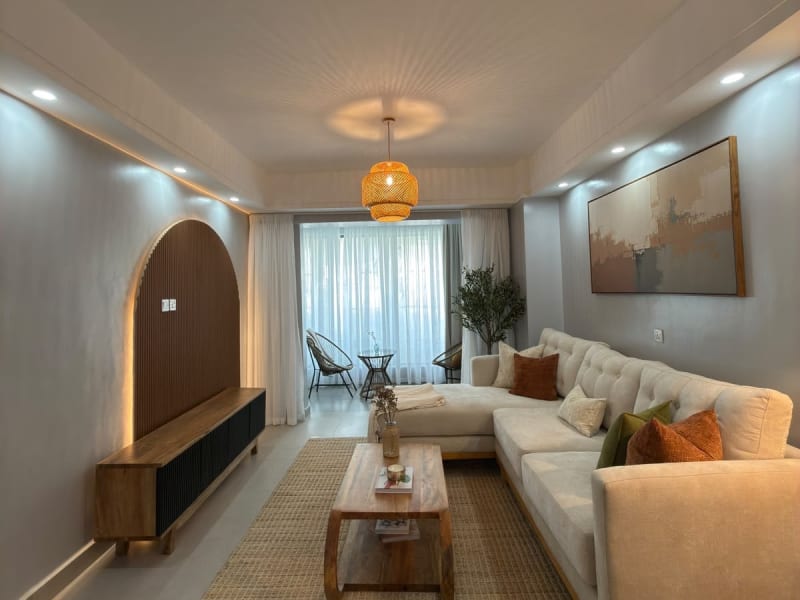
KILIMANI · MENELIK ROAD, OFF NGONG ROAD, KILIMANI, NAIROBI
Emerald Residences
Modern urban living with strong investment potential in Kilimani

Westlands · Muthithi Road, Westlands, Nairobi, Kenya
Montbleu Residences Westlands
Elevated Living. Timeless Design. Prime Westlands Address.
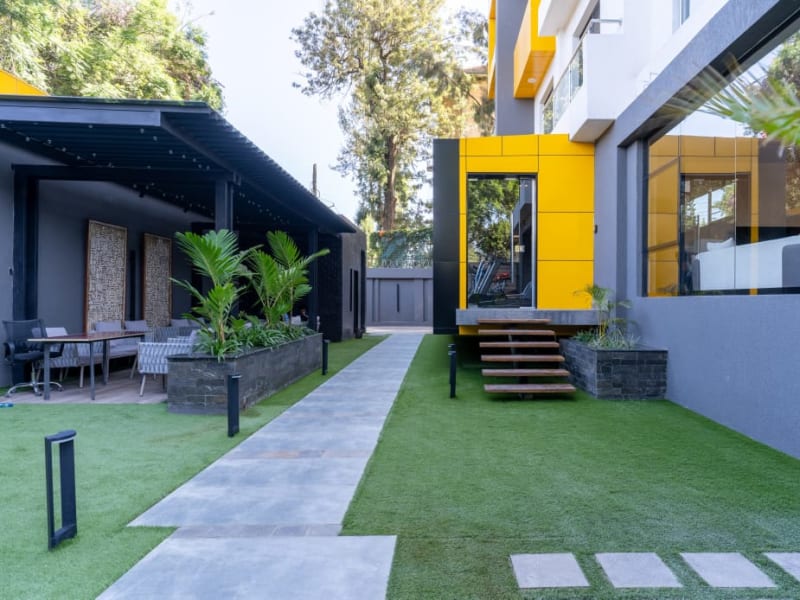
Kilimani · kilimani, Elgeyo Marakwet Road, Nairobi, Kenya
Wilma Towers
kilimani

Featured Neighbourhood
Kilimani
Nairobi's vibrant apartment district with exceptional rental demand and investment potential.
Featured Neighbourhood
Westlands
Nairobi’s premier commercial and luxury residential district with exceptional investment potential.
Featured Neighbourhood
Kileleshwa
A peaceful, upscale neighbourhood offering elegant apartment living close to Nairobi’s key business districts.