Renting vs Buying a Home in Nairobi: What the Numbers Actually Say
Cultural convention in Kenya insists that renting is throwing money away. But when mortgage rates hover between 13% and 17% and Treasury Bills yield 14%, what do the hard financial numbers actually show? Here is a rigorous mathematical breakdown.
In Kenya, cultural expectations surrounding homeownership are deeply entrenched. From an early age, professionals are told that paying rent is 'paying someone else mortgage' and that owning your own roof is the ultimate symbol of adult maturity and financial success.
Yet, in modern corporate Nairobi, where commercial bank mortgage interest rates fluctuate between 14 and 17 percent, while tax-free government infrastructure bonds offer 14 to 16 percent annual yields, the decision to buy versus rent cannot be settled with emotional proverbs. It requires cold, unemotional financial modeling.
The Cashflow Comparison: Buying vs Renting the Same Home
To see the financial reality clearly, compare buying versus renting an identical modern three-bedroom apartment in Kileleshwa with a market purchase price of 16,000,000 Kenyan shillings:
| Financial Parameter | Scenario A: Buy with Commercial Mortgage | Scenario B: Rent the Identical Home |
|---|---|---|
| Upfront Cash Outlay | 4,000,000 KES (20% deposit + 5% stamp duty & legal) | 180,000 KES (2 months rent deposit) |
| Monthly Cash Outflow | 173,200 KES (Mortgage at 15.5% over 20 years) | 85,000 KES (Monthly rent) |
| Monthly Service Charge | 10,000 KES (Owner paid) | 10,000 KES (Tenant paid) |
| Monthly Maintenance & Rates | 6,000 KES (Estimated average) | 0 KES (Landlord responsibility) |
| Total Monthly Housing Cost | 189,200 KES | 95,000 KES |
| Monthly Cashflow Difference | Baseline | +94,200 KES saved every month |
Notice the cashflow reality: the homeowner must spend 189,200 Kenyan shillings every single month to live in the property, while the tenant spends 95,000 shillings to live in the exact same rooms. The tenant has an extra 94,200 shillings in surplus cash flow every month, along with 3.82 million shillings of initial capital preserved in liquid assets.
The Opportunity Cost of Capital
The most overlooked variable in real estate decisions is the opportunity cost of capital. Money tied up in residential brick and mortar cannot be deployed elsewhere.
If the renter takes that 3,820,000 Kenyan shillings of saved upfront capital and invests it in a government infrastructure bond yielding 15 percent tax-free, it generates 573,000 shillings per year, or 47,750 shillings per month in passive cash. This investment income directly subsidizes more than half of the renter monthly rental cost.
Furthermore, if the renter systematically invests the monthly cashflow surplus of 94,200 shillings into a diversified portfolio of money market funds, Treasury Bills, and blue-chip equities yielding a conservative 12 percent annually, that fund compounds into over 21 million Kenyan shillings after 10 years.
When Buying Becomes the Decisive Winner
Despite the cashflow advantages of renting in a high-interest rate environment, buying is undeniably the smarter financial move under three specific circumstances:
1. The 100% Cash Buyer: If you do not require a commercial bank mortgage, you eliminate interest expense entirely. You acquire an inflation-hedged physical asset that appreciates with urban growth while eliminating personal rental inflation forever.
2. Subsidized KMRC Mortgages: If the property qualifies under the Kenya Mortgage Refinance Company scheme (properties valued under 10.5 million shillings with fixed 9.5 percent interest rates), monthly debt payments drop close to parity with market rent, making homeownership financially advantageous.
3. Forced Savings Discipline: Many individuals lack the rigorous behavioral discipline to invest cashflow surpluses every month. For these buyers, a mortgage acts as a forced savings plan, converting monthly cash outflows into tangible property equity over 20 years.
The Non-Financial Balance Sheet
Financial spreadsheets capture only half the truth of human life. Real estate provides profound psychological, emotional, and social value that cannot be quantified in an Excel formula:
Key Takeaways
- 01.At prevailing commercial mortgage rates of 14 percent to 17 percent, monthly mortgage payments are typically more than double the cost of renting the exact same property.
- 02.The opportunity cost of locking up a 20 percent down payment and transaction costs must be weighed against alternative investments like infrastructure bonds.
- 03.Cash buyers and those qualifying for single-digit KMRC subsidized loans (9.5 percent) enjoy a decisive financial advantage when purchasing.
- 04.Buying a home requires a minimum 6 to 8-year holding horizon to absorb round-trip transaction friction like stamp duty and legal fees.
- 05.Non-financial factors, like emotional stability, community roots, and protection against landlord eviction, often outweigh pure mathematical comparisons.
A landlord can never issue you a 30-day notice to vacate on your daughter birthday. You can paint walls, remodel kitchens, plant fruit trees, adopt pets, and establish permanent roots in your community without seeking third-party permission.
If you plan to live in Nairobi for the next 10 to 20 years, have stable career earnings, value emotional autonomy, and can comfortably afford the purchase without compromising your emergency financial reserves, buying a home is one of the most rewarding life choices you will ever make.

Zuri Estates Team
Property Advisory & Client Coordination
The Zuri Estates Team provides independent property guidance, market intelligence, and acquisition support across Nairobi and the Kenyan Coast. Operating from our Kilimani offices, our desk coordinates developer audits, physical site inspections, and legal conveyancing for homebuyers and investors.

Antony Baragu
Real estate strategist
This article has been reviewed by Antony Baragu to ensure the accuracy, completeness, and validity of all market metrics, property details, and investment guidance.
Related Residences, Developments & Neighbourhoods
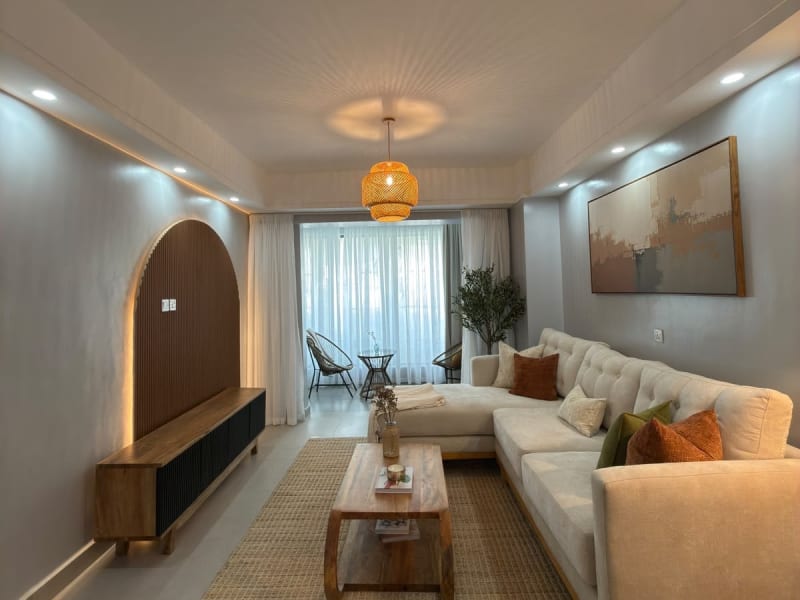
KILIMANI · MENELIK ROAD, OFF NGONG ROAD, KILIMANI, NAIROBI
Emerald Residences
Modern urban living with strong investment potential in Kilimani

WESTLANDS · NAIROBI
Oak West 2 Bedroom Apartment
Contemporary 2-bedroom living in the heart of Westlands.

Westlands · Vihiga Road, Kilimani, Nairobi
Luster Arbor Residency
Modern apartments designed for elegant city living and exceptional long-term investment.

Westlands · Muthithi Road, Westlands, Nairobi, Kenya
Montbleu Residences Westlands
Elevated Living. Timeless Design. Prime Westlands Address.

Featured Neighbourhood
Kilimani
Nairobi's vibrant apartment district with exceptional rental demand and investment potential.
Featured Neighbourhood
Kileleshwa
A peaceful, upscale neighbourhood offering elegant apartment living close to Nairobi’s key business districts.
Featured Neighbourhood
Westlands
Nairobi’s premier commercial and luxury residential district with exceptional investment potential.