Westlands vs Kilimani: Where Is the Best Area to Invest in Nairobi? An Objective 2026 Comparison
An in-depth 2026 head-to-head comparison of Westlands and Kilimani. Compare apartment prices, rental yields, tenant demographics, capital appreciation, and livability.

In the competitive landscape of Nairobi real estate investment, no geographic rivalry commands more investor attention or capital allocation than the contest between Westlands and Kilimani. Representing the twin engines of Nairobi's modern commercial expansion and high-density residential densification, both neighborhoods have evolved far beyond their colonial origins as leafy residential suburbs, transforming into dynamic, multi-billion-shilling urban hubs.
Yet, while casual observers often treat Westlands and Kilimani as interchangeable high-density apartment markets, seasoned property developers, conveyancing advocates, and private equity investors recognize profound structural differences between them. From municipal zoning classifications and commercial office absorption rates to tenant demographics, daily short-term rental yields, and secondary market liquidity, each enclave offers a distinct investment thesis with its own risk and return profile.
The Core Structural Distinction
Westlands has established itself as Nairobi's uncontested primary commercial and financial district, boasting over 60 percent of the city's Grade-A corporate office stock and attracting sovereign diplomatic missions and Fortune 500 regional headquarters. Kilimani, by contrast, operates as Nairobi's premier mixed-use tech and lifestyle hub, characterized by hyper-dense residential towers, vibrant hospitality corridors, and a thriving short-stay Airbnb ecosystem.
1. Commercial Anchors and Employment Nodes: Corporate Hub vs Lifestyle Enclave
A primary determinant of long-term real estate value is proximity to high-value employment centers. The composition of commercial activity in Westlands and Kilimani shapes their respective tenant demand fundamentals:
Westlands: The Corporate and Financial Epicenter
Over the past fifteen years, Westlands has decisively overtaken the Nairobi Central Business District (CBD) as the preferred location for corporate headquarters, multinational technology conglomerates, audit firms, and diplomatic liaison offices. Major architectural landmarks like One Africa Place, The Mirage, Delta Corner, and Broadwalk Mall host global entities including Google, Microsoft, PwC, and financial institutions. This massive daytime working population creates sustained demand for executive residential apartments, corporate serviced suites, and premium dining establishments.
Kilimani: Tech Hub, Creative Agencies, and SMEs
Kilimani's commercial fabric is defined by innovation hubs, creative agencies, regional non-governmental organizations (NGOs), and fast-growing small and medium enterprises (SMEs). Centers such as iHub, Nairobi Garage, and numerous converted residential villas along Argwings Kodhek and Lenana Road foster an entrepreneurial ecosystem. While Kilimani lacks the monumental Grade-A office glass towers of Westlands, its commercial pulse is deeply integrated with residential blocks, fostering a true live-work-play urban culture.
2. Municipal Zoning, Building Density, and Infrastructure Load
The physical evolution of both neighborhoods is governed by the Nairobi City County Physical Planning Zoning Framework under the Physical and Land Use Planning Act, 2019:
Kilimani (Zone 4) Densification Pressures
Kilimani falls primarily within municipal Planning Zone 4. In recent years, relaxed density controls have enabled developers to construct 15 to 20-story residential apartment towers on plots formerly occupied by single-family bungalows. While this has unlocked thousands of modern housing units, it has placed unprecedented strain on legacy municipal sewer reticulation, stormwater drainage, and public water supply pipelines. Savvy investors in Kilimani must rigorously verify that developments feature high-yielding private boreholes, commercial reverse osmosis treatment plants, and industrial backup generators.
Westlands (Zone 3 and Zone 4) Commercial Mixed-Use Controls
Westlands encompasses planning zones with flexible commercial and residential mixed-use provisions, particularly along Waiyaki Way, Parklands Road, and Rhapta Road. Development control in Westlands is heavily influenced by commercial floor-area ratios (FAR) and ground coverage requirements. Infrastructure capacity in core Westlands has benefited significantly from national infrastructure capital expenditure, including dedicated trunk sewer upgrades and direct grade-separated connections to the Nairobi Expressway.
3. Head-to-Head Comparative Metric Matrix: Westlands vs Kilimani
The analytical matrix below contrasts the operational, financial, and planning parameters governing property investments in Westlands and Kilimani for the 2026 market cycle.
| Investment / Planning Parameter | Westlands Real Estate Enclave | Kilimani Real Estate Enclave | Strategic Investor Takeaway |
|---|---|---|---|
| Average Apartment Purchase Price (Sqm) | KES 135,000 to KES 175,000 / sqm | KES 105,000 to KES 140,000 / sqm | Kilimani offers a lower capital entry ticket; Westlands commands a premium asset base |
| Typical 2-Bedroom Purchase Price | KES 13,500,000 to KES 18,500,000 | KES 9,500,000 to KES 14,000,000 | Westlands caters to executive budgets; Kilimani captures broad middle-income demand |
| Long-Term Residential Gross Yield | 7.5% to 8.8% per annum | 8.2% to 9.5% per annum | Kilimani generates slightly higher long-term gross rental yield due to lower basis |
| Short-Term Rental (Airbnb) Yield | 9.5% to 12.0% (Corporate focus) | 10.5% to 13.5% (Leisure & tech focus) | Kilimani boasts higher aggregate short-stay volume; Westlands achieves higher nightly ADR |
| Average Nightly Rate (2-Bed ADR) | KES 9,500 to KES 15,000 / night | KES 6,500 to KES 10,500 / night | Westlands commands corporate per-diem rates; Kilimani attracts cost-conscious travelers |
| Primary Tenant Profile | Multinational executives, expats & diplomats | Tech founders, NGO staff & local professionals | Westlands offers higher credit stability; Kilimani offers broader tenant replacement pools |
| Expressway & Transport Connectivity | Direct off-ramps at Westlands roundabout | Accessible via Ring Road Kilimani & Southern Bypass | Westlands offers superior airport transit times (15 mins via Expressway) |
| Retail & Social Infrastructure | Sarit Centre, Westgate, Broadwalk Mall | Yaya Centre, Adlife Plaza, Prestige Plaza | Both enclaves feature mature, walkable lifestyle and culinary ecosystems |
4. Rental Yields and Short-Stay Airbnb Dynamics
For buy-to-let investors, analyzing the performance variance between long-term residential leases and furnished short-stay rentals is crucial for maximizing net returns:
The Kilimani Airbnb Ecosystem: Volume and Price Competition
Kilimani is undeniably the short-term rental capital of East Africa. The density of modern one and two-bedroom apartments, coupled with proximity to vibrant nightlife along Dennis Pritt and Wood Avenue, creates steady demand from regional business travelers, diaspora holidaymakers, and medical tourists visiting nearby Nairobi Hospital. However, hyper-competition has compressed average daily rates (ADR). To sustain 70+ percent occupancy in Kilimani, hosts must invest heavily in bespoke interior design, self-check-in smart locks, and proactive guest management.
Westlands Corporate Stays: High ADR and Institutional Bookings
In Westlands, furnished apartments cater heavily to corporate consultants, project expatriates, and conference delegates attending engagements at nearby luxury hotels like the Mövenpick, Sankara, and Villa Rosa Kempinski. These corporate guests operate on generous employer-funded per diems, enabling Westlands operators to achieve nightly rates 30 to 45 percent higher than Kilimani. Furthermore, corporate clients frequently book extended stays of two to six months, reducing cleaning turnover costs and seasonal vacancy dips.
5. Financial Investment Model: 2-Bedroom Executive Cash-Flow
The comprehensive financial model below compares the annual net cash flow of acquiring and operating an executive two-bedroom apartment in Westlands versus Kilimani on an unfurnished long-term corporate lease basis.
| Financial Cash-Flow Metric | Westlands 2-Bedroom Executive | Kilimani 2-Bedroom Contemporary | Variance / Investment Insight |
|---|---|---|---|
| Initial Acquisition Cost | KES 16,000,000 | KES 12,000,000 | Westlands requires KES 4M (+33.3%) higher upfront capital outlay |
| Closing Costs & Stamp Duty (6%) | KES 960,000 | KES 720,000 | Statutory stamp duty (4%), legal fees (1.5%) & valuation disbursements |
| Total Capital Employed | KES 16,960,000 | KES 12,720,000 | Total cash required for turnkey acquisition |
| Gross Monthly Rent Achievable | KES 115,000 / month | KES 90,000 / month | Westlands yields KES 25,000 higher nominal monthly income |
| Gross Annual Rental Revenue | KES 1,380,000 | KES 1,080,000 | Based on 12-month standard residential tenancy agreement |
| Annual Service Charge & Maintenance | KES 120,000 (KES 10k/mo) | KES 96,000 (KES 8k/mo) | Covers 24/7 security, backup generator, lift service & borehole upkeep |
| Property Management Fee (8%) | KES 110,400 | KES 86,400 | Professional tenant management and rent collection agency fees |
| Statutory Rental Income Tax (7.5%) | KES 103,500 | KES 81,000 | KRA Monthly Residential Rental Income (MRI) tax under Income Tax Act |
| Net Annual Cash Return | KES 1,046,100 | KES 816,600 | Net income after service charges, management, and KRA taxes |
| Net Annual Rental Yield (on Total Capital) | 6.17% Net Yield | 6.42% Net Yield | Kilimani achieves a slightly higher net percentage yield on cash invested |
| 5-Year Projected Capital Appreciation | 8.5% Compound Annual Growth | 7.0% Compound Annual Growth | Westlands generates higher capital appreciation due to commercial land scarcity |
6. Investor Decision Framework: Matching Capital with Enclave
Choosing between Westlands and Kilimani ultimately hinges on your specific investment objectives, liquidity horizon, and risk tolerance:
Choose Westlands If You Prioritize:
1. Long-term capital appreciation driven by extreme commercial land scarcity; 2. Sovereign and multinational corporate tenants who prioritize security and executive prestige; 3. Direct, frictionless transit to Jomo Kenyatta International Airport (JKIA) via the Nairobi Expressway; 4. High-ticket furnished corporate rentals with extended occupancy tenures.
Choose Kilimani If You Prioritize:
1. Lower entry capital tickets, enabling acquisition of multiple units to diversify rental risk; 2. Maximizing immediate monthly cash flow through the dynamic short-stay Airbnb market; 3. Broad, highly liquid tenant demand from young tech entrepreneurs, creative professionals, and regional NGO personnel; 4. Vibrant, walkable urban living with diverse international culinary dining options on every street corner.
Frequently Asked Questions: Westlands vs Kilimani
Which area has higher rental yields, Westlands or Kilimani?
Kilimani generally offers slightly higher gross rental yields (8.2% to 9.5%) due to lower property purchase prices per square meter. However, Westlands commands higher capital appreciation over 5 to 10-year horizons and achieves higher nightly rates in the corporate serviced apartment sector.
Is it easier to run an Airbnb in Kilimani or Westlands?
Kilimani has a larger, more established short-term rental ecosystem with higher overall tourist and business booking volumes. Westlands, while having fewer overall Airbnb listings, captures higher nightly rates from corporate and expatriate travelers.
How does traffic compare between Westlands and Kilimani?
Westlands benefits immensely from the Nairobi Expressway, providing 15-minute access to JKIA airport. Kilimani experiences peak-hour congestion along Argwings Kodhek and Ngong Road, although the Ring Road Kilimani link has improved cross-town transit.
Are water shortages a problem in Kilimani and Westlands apartments?
Both areas experience municipal water rationing from Nairobi City Water and Sewerage Company. Top developments mitigate this by sinking private boreholes and installing reverse osmosis filtration systems to guarantee 24/7 potable water.
Which neighborhood is safer for foreign expatriates and tourists?
Both neighborhoods are relatively secure within gated compounds. Westlands benefits from extensive private security patrols around major corporate and diplomatic installations, while Kilimani features high street-level pedestrian activity well into the night.
Can I buy an apartment with a Sectional Title in Westlands and Kilimani?
Yes. Under the Sectional Properties Act, 2020, newly built and converted apartments in both areas must be issued with individual Sectional Certificates of Title registered at the Ministry of Lands.
What is the typical service charge in Westlands compared to Kilimani?
Service charges typically range from KES 7,000 to KES 12,000 per month in Kilimani, and KES 9,000 to KES 16,000 per month in Westlands, reflecting higher luxury amenity specifications (heated pools, multi-level gyms, concierge desks).
How much does a 1-bedroom apartment cost in Westlands vs Kilimani?
A contemporary 1-bedroom apartment in Kilimani costs between KES 6,500,000 and KES 9,000,000. In Westlands, a comparable 1-bedroom unit costs between KES 8,500,000 and KES 12,500,000.
What taxes must property investors pay on rental income in Nairobi?
Landlords earning residential rent pay Monthly Residential Rental Income (MRI) tax levied at 7.5 percent on gross rent under the Income Tax Act (Cap 470), payable via the KRA iTax portal by the 20th of each month.
Which neighborhood has better retail and lifestyle amenities?
Westlands features large destination shopping centers (Sarit Centre, Westgate Mall) and vibrant nightlife hubs. Kilimani offers iconic neighborhood shopping (Yaya Centre, Adlife Plaza) and an extraordinary density of independent cafes, bakeries, and international restaurants.
Verified Sources & References
Official & Peer ReviewedPhysical and Land Use Planning Act, 2019 (Act No. 13 of 2019)
“Governs municipal development approvals, zoning classifications, building height restrictions, and floor-area ratios across Nairobi City County.”
Sectional Properties Act, 2020 (Act No. 21 of 2020)
“Regulates individual apartment unit titling, common area ownership, and management corporation governance in multi-unit residential developments.”
Income Tax Act (Cap 470)
“Mandates the statutory framework for Monthly Residential Rental Income (MRI) tax and withholding tax compliance on property returns in Kenya.”
Land Registration Act, 2012 (Act No. 3 of 2012)
“Establishes title verification procedures, electronic registry searches on ArdhiSasa, and formal conveyancing registration of property dispositions.”
Stamp Duty Act (Cap 480)
“Prescribes the assessment and payment of 4% statutory stamp duty on transfer of urban residential and commercial real estate in Kenya.”
Zuri Estates Team
Property Advisory & Client Coordination
The Zuri Estates Team provides independent property guidance, market intelligence, and acquisition support across Nairobi and the Kenyan Coast. Operating from our Kilimani offices, our desk coordinates developer audits, physical site inspections, and legal conveyancing for homebuyers and investors.

Antony Baragu
Real estate strategist
This article has been reviewed by Antony Baragu to ensure the accuracy, completeness, and validity of all market metrics, property details, and investment guidance.
Related Residences, Developments & Neighbourhoods
KILIMANI · DENNIS PRITT ROAD, KILIMANI, NAIROBI
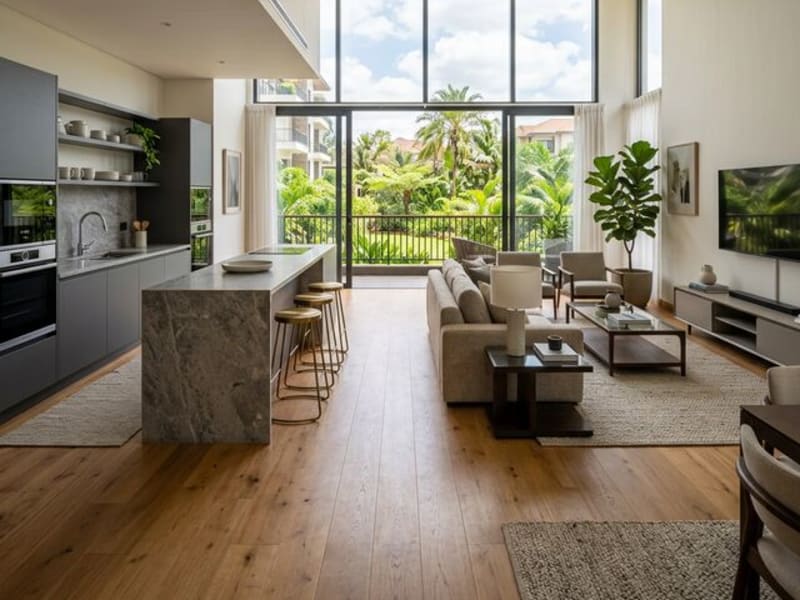
1-Bedroom Double-Volume Loft at Aquarius Residences Kilimani
Iconic 65 sqm one-bedroom double-volume loft with 5.8-meter ceilings and mezzanine bedroom
KILIMANI · DENNIS PRITT ROAD, KILIMANI, NAIROBI
1-Bedroom Executive Suite at Aquarius Residences Kilimani
Curated 44 to 54 sqm one-bedroom executive suite optimized for high-yield short-stay rental

Westlands · Muthithi Road, Westlands, Nairobi, Kenya
Montbleu Residences Westlands
Elevated Living. Timeless Design. Prime Westlands Address.

Kilimani · Menelik Road, Off Ngong Road, Kilimani
Emerald Residences
Premium apartments crafted for modern city living and long-term investment.

Westlands · Peponi Road, Westlands, Nairobi, Kenya
Diplomat Residences
Hotel-Inspired Living in One of Westlands' Most Prestigious Addresses
Kilimani · Kabarnet Road, off Ngong Road, Kilimani, Nairobi, Kenya
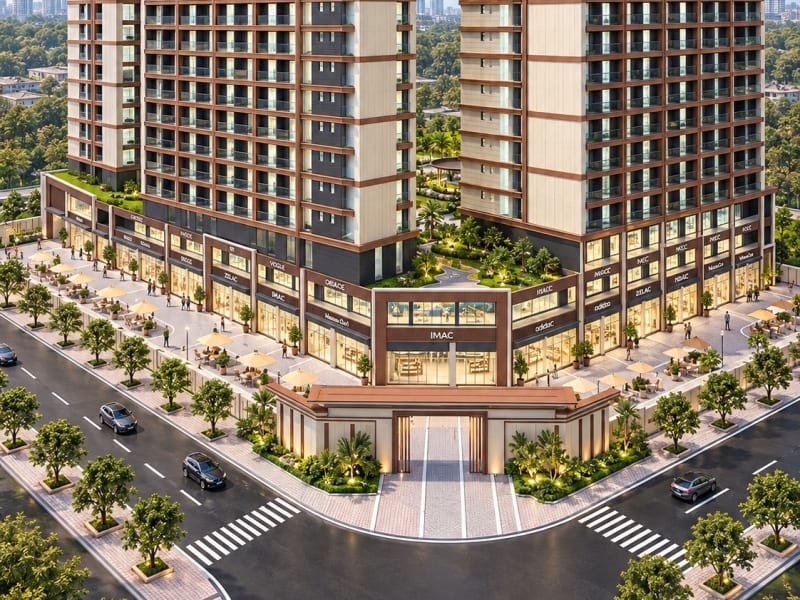
Longines Bay Apartments
18-Storey Garden Sanctuary off Ngong Road: 0.9-Acre Private Grounds, Sky Padel, Sky Golf, and Lifestyle Amenities

Westlands · Junction of Westlands Avenue and Chameleon Avenue, Westlands, Nairobi, Kenya
The Vesper Westlands Residency
20-Storey Landmark at Westlands & Chameleon Avenues: Heated Skyline Pool, Private Cinema, and Two-Level Duplex Lofts
Westlands · Westlands Road, Westlands, Nairobi, Kenya
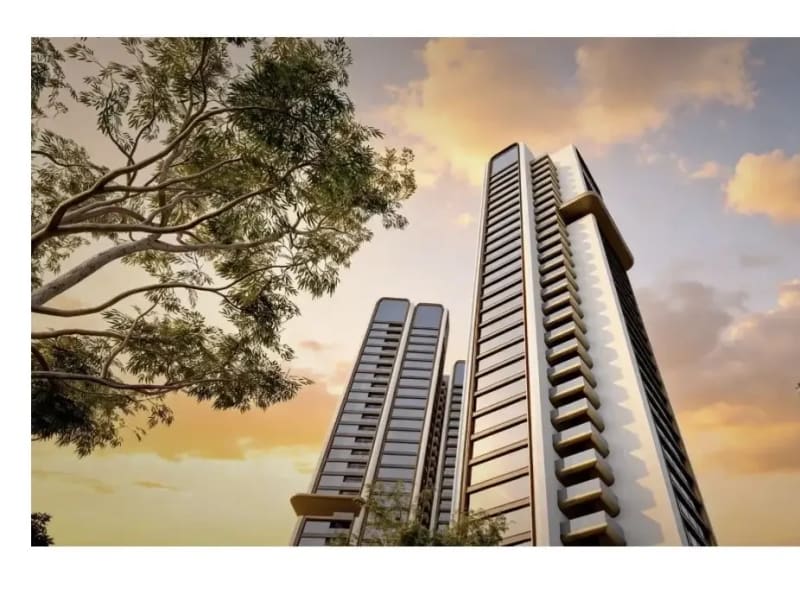
Zephyr Westlands
Architectural Gem on Westlands Road: Sculptural Ribbon Facade, Rooftop Sky Club, and VIP Pre-Launch Terms

Featured Neighbourhood Suburb
Westlands
Nairobi’s premier commercial and luxury residential district with exceptional investment potential.

Featured Neighbourhood Suburb
Kilimani
Nairobi's vibrant apartment district with exceptional rental demand and investment potential.