Buying Land or Buying an Apartment in Kenya: Which Makes More Sense?
Should you purchase a plot of land and build, or invest in an urban sectional apartment? We compare upfront capital, construction risk, cash-flow yields, maintenance burdens, and liquidity across Kenya's property market.

In Kenyan culture, the emotional instinct is almost always to buy land. We are raised with the belief that owning soil is the only true mark of property success. But in modern real estate, confusing emotional instinct with financial performance can lead to years of trapped capital.
Every week, buyers in Nairobi weigh this fundamental dilemma: Should I buy a quarter-acre plot on the outskirts of the city and slowly build a family home, or should I invest in a modern sectional apartment in an established central neighborhood?
Neither choice is universally superior. The right decision depends on your capital timeline, your tolerance for construction management, your need for immediate rental income, and how quickly you need to live in or monetize the property. This guide compares land and apartments across seven objective dimensions so you can make the right choice for your financial life.
Comparison Matrix: Land vs. Sectional Apartment
Here is how the two property classes compare across key practical investment metrics in Kenya:
| Investment Factor | Buying Undeveloped Land | Buying a Modern Apartment |
|---|---|---|
| Immediate Cash Flow | Zero rental income; annual holding costs | Immediate rental yield (6% to 9% p.a.) |
| Capital Appreciation | High long-term capital growth potential | Moderate capital growth + cash flow |
| Construction Oversight | Heavy personal supervision burden | Zero construction burden (if ready) |
| Asset Liquidity | Lower liquidity (6 to 18 months to sell) | Higher liquidity (60 to 90 days in prime nodes) |
| Security & Maintenance | Owner must secure plot against encroachment | Shared security & professional estate management |
| Utility Infrastructure | Owner must fund borehole, power, septic tank | Pre-connected utilities with backup generators |
| Tenure System | Freehold or long-term leasehold | Sectional Title Deed (Sectional Properties Act) |
1. The Construction Burden: Expectation vs. Reality
When people imagine buying land to build, they picture a smooth, fulfilling journey ending with their dream home at a fraction of commercial prices. The reality on the ground in Kenya is often very different.
Managing a private home construction project requires coordinating architects, structural engineers, quantity surveyors, county planning approvals, National Construction Authority (NCA) registrations, and NEMA environmental permits. On site, owners face constant risks of material theft, inflated subcontractor quotations, cement tampering, and contractor abandonment.
The Real Cost of Site Servicing
When buying raw land, remember that building a house requires substantial site infrastructure before foundation works even begin. Drilling a private borehole, installing three-phase power transformers, building perimeter stone walls, and constructing biodigester drainage systems frequently adds KES 2.5 million to KES 4 million to your baseline budget.
With a completed sectional apartment, the developer has already absorbed the construction friction, regulatory permitting risks, and utility installation burdens. You walk into a finished, functioning asset with connected water, electricity, lifts, and perimeter security.
2. Cash Flow and Rental Income Yields
If your goal is to build passive wealth or supplement your monthly income, the comparison is straightforward:
- Undeveloped Land: Generates zero cash flow. In fact, raw land has a negative holding yield; you must pay annual county land rates, land rent (if leasehold), site fencing, and caretaker surveillance fees to prevent illegal dumping or squatter encroachments.
- Sectional Apartment: Generates immediate monthly cash flow. In prime Nairobi enclaves like Kilimani, Kileleshwa, and Westlands, well-designed apartments command gross rental yields of 7 percent to 9 percent in the long-term rental market, or higher in short-stay furnished accommodation. For exact mathematical calculations, read our guide on how to calculate rental yield in Kenya.
3. Capital Appreciation: The Long Game
Where land shines is long-term capital appreciation. Kenya's expanding population and rapid urbanization mean that land in strategic commuter corridors such as Ruaka, Ruiru, and Syokimau has demonstrated significant capital growth over 10-year holding periods.
According to historical land price data from research houses like HassConsult, satellite town land has outperformed built apartment capital gains on a pure percentage price basis. However, when you factor in the compounded rental income earned by an apartment over the same 10-year window, total investment returns (cash yield plus capital appreciation) between the two asset classes often converge.
4. Management Overhead and Diaspora Suitability
For Kenyans living in the diaspora (UK, US, Canada, UAE), the choice between land and an apartment is particularly stark.
Building a house from abroad while relying on relatives or local contractors to manage funds is one of the most common sources of financial heartbreak in the diaspora. To explore how to protect yourself when investing remotely, read our practical analysis on buying property in Kenya from the diaspora.
Sectional apartments offer diaspora investors peace of mind:
- Professional property management firms handle tenant sourcing, rent collection, and routine maintenance.
- Monthly statements and digital accounting eliminate informal cash transfers to family members.
- A secure apartment building in an established neighborhood cannot be encroached upon or subdivided by fraudulent brokers while you are overseas.
5. Liquidity and Exit Strategy
Liquidity represents how quickly and easily you can convert an asset into cash at fair market value when life circumstances change:
- Apartments: In prime urban nodes, residential apartments enjoy deep buyer and tenant pools. If you need to sell to raise capital for a business or family emergency, a competitively priced apartment in Westlands or Kilimani can typically secure a qualified buyer within two to three months.
- Land: Selling an undeveloped plot in a satellite town can take six months to two years, particularly during periods of high commercial interest rates when bank mortgage approvals slow down. If you need rapid liquidity, raw land can leave you asset-rich but cash-poor.
Decision Framework: Which Should You Choose?
Choose Land if:
- You have patient capital and a long investment horizon (7 to 15+ years) with no immediate need for rental cash flow.
- You want complete architectural autonomy to design a custom bespoke home with private gardens and extensive grounds.
- You have the time, local presence, and professional network to oversee building works and secure the site against encroachment.
Choose an Apartment if:
- You want immediate, predictable monthly rental cash flow to supplement your income or service an investment loan.
- You are living in the diaspora and need an asset that can be professionally managed without hands-on construction oversight.
- You prioritize convenience, security, pre-connected utilities, and proximity to central business hubs and top schools.
Take the Next Step Forward
Understanding whether land or an apartment aligns with your financial horizon ensures you invest with conviction rather than following conventional social pressure. Both assets have a powerful role to play in building long-term wealth when chosen for the right reasons.
If you decide an urban sectional residence fits your lifestyle or investment goals, explore our comprehensive guide on the step-by-step process of buying your first home in Kenya. To view verified high-yield residential developments, browse our curated discover portfolio or examine ready residences across Nairobi.

Zuri Estates Team
Property Advisory & Client Coordination
The Zuri Estates Team provides independent property guidance, market intelligence, and acquisition support across Nairobi and the Kenyan Coast. Operating from our Kilimani offices, our desk coordinates developer audits, physical site inspections, and legal conveyancing for homebuyers and investors.

Antony Baragu
Real estate strategist
This article has been reviewed by Antony Baragu to ensure the accuracy, completeness, and validity of all market metrics, property details, and investment guidance.
Related Residences, Developments & Neighbourhoods
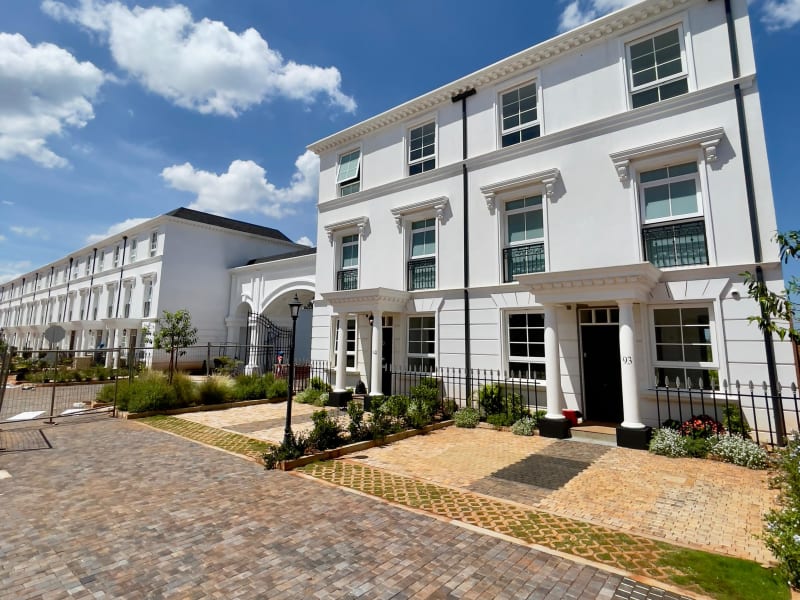
KIAMBU · TATU CITY, KIAMBU COUNTY, KENYA
Tatu City 3 & 4 Bedroom Townhouses
Elegant family homes within Kenya's premier smart city.
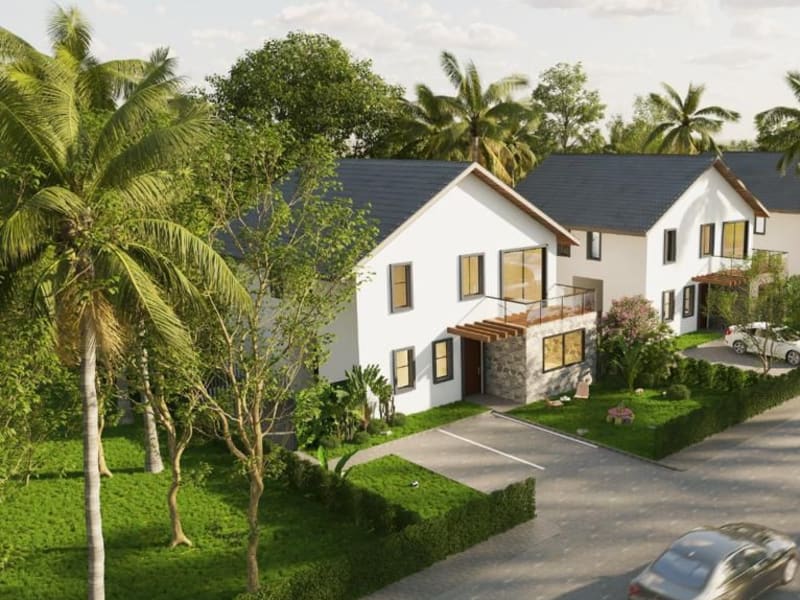
KAJIADO · ONGATA RONGAI, KAJIADO, KENYA
Shangrila Villas - Modern 4 Bedroom Townhouse in Ongata Rongai
Spacious gated homes designed for modern family living.

Kajiado · Ongata Rongai – Magenche, Kenya
Magenche Residences
Ongata Rongai – Magenche

Westlands · Vihiga Road, Kilimani, Nairobi
Luster Arbor Residency
Modern apartments designed for elegant city living and exceptional long-term investment.
Featured Neighbourhood
Ongata Rongai
Affordable Family Living with Nairobi Convenience
Featured Neighbourhood
Karen
Nairobi’s premier luxury suburb, offering spacious homes, green landscapes and exceptional family living.
Featured Neighbourhood
Runda
Prestigious Embassy Living in a Secure Garden Suburb


