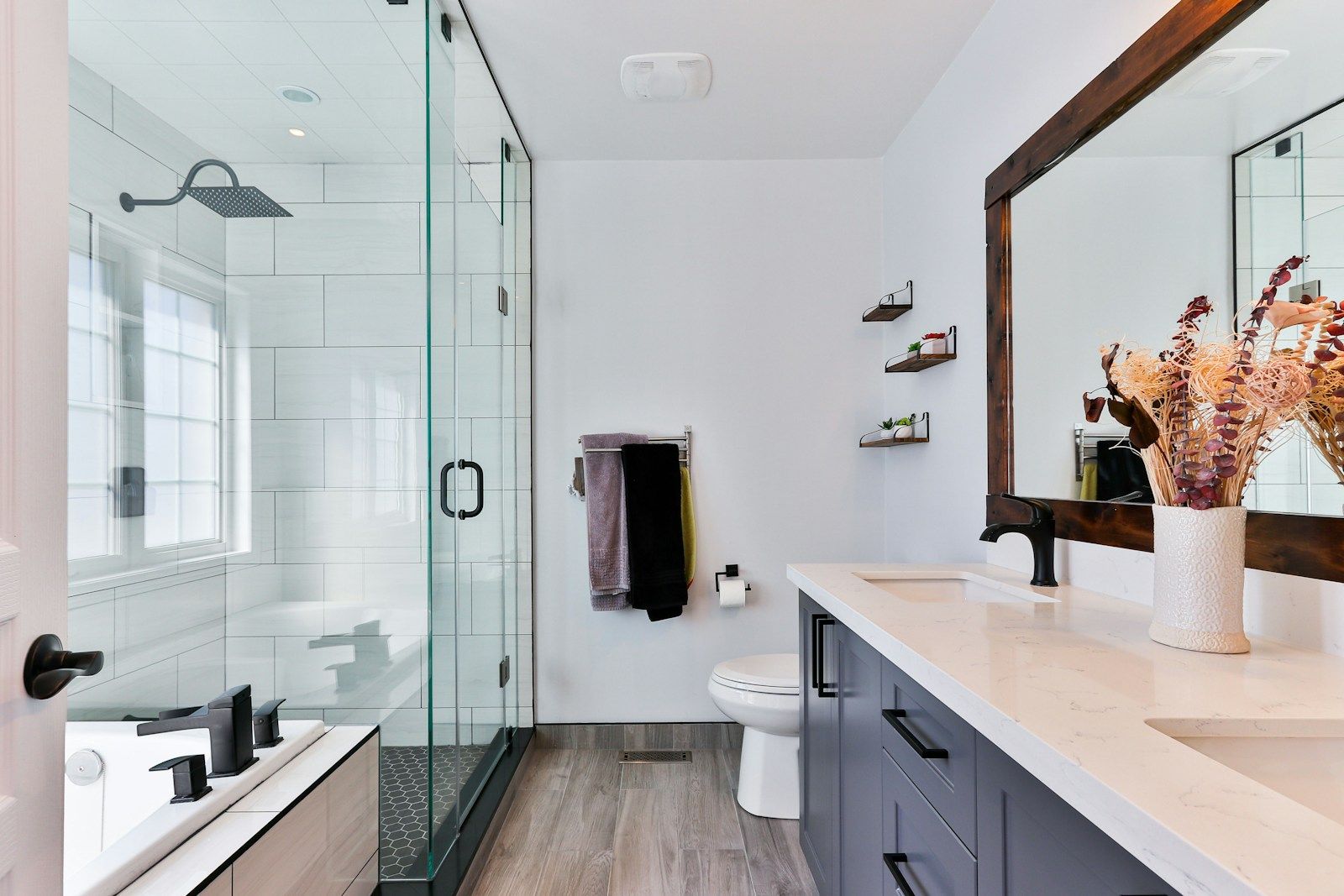
The Step-by-Step Guide to Buying Your First Home in Kenya
From establishing true affordability and securing pre-approval to site inspections, due diligence, and final key handover, here is the complete road map to purchasing your first home in Kenya without costly mistakes.

Buying your first home is rarely just a financial transaction. It is the culmination of years of disciplined saving, sacrifices, and family aspirations. Navigating the journey successfully requires matching emotional enthusiasm with cool-headed legal discipline.
In Kenya, the path to homeownership can feel intimidating. Between aggressive developer marketing, complicated land tenure jargon, and cautionary tales of buyers who lost money in stalled projects, first-time buyers often hesitate or rush into decisions without adequate preparation.
This guide provides a structured, eight-step road map for first-time home buyers in Kenya. From establishing your true purchasing power to getting the keys in your hand, this framework eliminates guesswork and keeps you in control at every stage.
Step 1: Calculate Your Real Purchasing Power
The first mistake most buyers make is searching for properties before establishing their true, comprehensive budget. Your purchasing budget does not equal your savings; it equals your cleared deposit capital plus your verifiable borrowing capacity, minus transaction closing expenses.
A healthy financial rule for Kenyan home buyers is the 30/40 rule:
- Your down payment and closing reserve should leave at least three to six months of living expenses untouched in an emergency fund.
- Your total monthly housing commitment (mortgage repayment, service charge, and property insurance) should never exceed 35 percent to 40 percent of your verifiable net monthly household income.
Remember to set aside approximately 7 percent to 8 percent of the property price for closing costs, including stamp duty and legal conveyancing. For a full breakdown, consult our complete apartment buying budget guide.
Step 2: Get Pre-Approved for Financing (If Borrowing)
If you intend to use a bank mortgage or financing through the Kenya Mortgage Refinance Company (KMRC) affordable housing framework, obtain a formal Mortgage Pre-Approval Letter from your lender before viewing houses.
Pre-approval gives you three strategic advantages:
1. You know your exact borrowing ceiling, avoiding the heartbreak of falling in love with a home you cannot finance.
2. Sellers take your offers seriously because your financing capability has been vetted.
3. The bank's credit risk evaluation is already completed, cutting weeks off the loan charging process once you sign a sale agreement.
Step 3: Define Location and Property Criteria
Resist the temptation to view properties across the entire city simultaneously. Narrow your search to two or three target neighborhoods based on your daily lifestyle realities:
- Commute and Transit: Measure travel times during peak morning and evening traffic, not on a quiet Sunday afternoon. Review our commuter analysis on transport and location value in Nairobi.
- Family Infrastructure: Proximity to top schools, healthcare facilities, and grocery shopping centres. For a comprehensive family evaluation framework, read how to choose a family home in Kenya.
- Neighborhood Character: Compare dense urban nodes such as Kilimani and Westlands with greener residential suburbs such as Lavington or suburban commuter towns. See our guide on where to live around Nairobi.
Step 4: The Physical Inspection Protocol
When inspecting properties, look past the designer staging furniture and fresh coat of paint. Conduct a methodical physical audit:
Key Physical Viewing Checkpoints
- Water Infrastructure: Does the building rely solely on municipal water, or does it have an on-site borehole with a reverse osmosis purification plant and substantial underground storage?
- Power Backup: Is there a full-capacity standby generator that powers appliances inside your unit, or does it only support common area hallway lighting?
- Kitchen and Layout Functionality: Does the floor plan suit your household's daily living and cooking style? Explore our architectural insights on why so many Kenyans prefer closed kitchens.
- Parking Allocations: Confirm that parking bays are clearly demarcated, covered, and legally designated in the development plan rather than assigned casually on a first-come basis.
Step 5: The Letter of Offer (LOO)
Once you identify the right property and negotiate the commercial terms, the vendor or developer issues a Letter of Offer.
The Letter of Offer sets out the core terms: agreed purchase price, deposit amount, payment schedule, and completion window. Ensure the letter clearly specifies:
- That the offer is strictly Subject to Contract and Clean Title Due Diligence.
- That any reservation fee paid is 100 percent refundable if the title or structural audit proves defective.
- A defined period (typically 14 to 21 days) during which your legal advocate will inspect title records and draft the formal Agreement for Sale.
Step 6: Legal Due Diligence and Title Verification
Never pay a 10 percent deposit until your appointed conveyancing advocate has conducted thorough title due diligence. Your advocate must:
- Perform official searches on ArdhiSasa and inspect the manual Green Card ledger.
- Verify that the mother title is free of unserviced developer bank charges or caveats.
- Inspect approved architectural and structural county plans, NCA building approvals, and NEMA environmental licenses.
- Commission a registered surveyor to verify beacon boundaries and confirm there is no encroachment onto road reserves or riparian zones.
For a complete step-by-step audit framework, read our detailed guide on how to verify a property title in Kenya.
Step 7: Signing the Agreement for Sale and Deposit Escrow
Once title verification is satisfactory, the advocates draft the formal Agreement for Sale.
This contract binds both parties and incorporates the Law Society of Kenya Conditions of Sale. Upon execution by both buyer and seller, you pay the 10 percent deposit.
Stakeholder Escrow vs Seller Account
Ensure the Agreement for Sale explicitly designates the vendor's advocate as a 'stakeholder' for deposit funds. A stakeholder cannot release deposit monies to the seller until the completion documents and clean title transfer are delivered. If the seller defaults, the stakeholder is legally obligated to return your deposit intact.
Step 8: Completion, Stamp Duty, and Handover
During the standard 90-day completion period:
1. Valuation and Stamp Duty: The property is assessed by the government valuer, and your advocate pays the 4 percent stamp duty via the ArdhiSasa platform.
2. Disbursement of Balance: Your advocate (or financing bank) releases the remaining 90 percent purchase balance upon receipt of valid transfer instruments, original title documents, and rates clearance certificates.
3. Snagging Inspection: You perform a detailed pre-handover snagging audit, documenting any defects for the developer to rectify under the contractual defect liability period. Use our property handover snagging checklist.
4. Key Handover: You receive your keys, security fobs, sub-meter cards, and formal sectional title deed.
First-Time Buyer Checklist Summary
Key Takeaways
- 01.Establish a realistic budget accounting for the 7% to 8% closing cost buffer over the purchase price.
- 02.Secure mortgage pre-approval before viewing homes to establish your verified borrowing limit.
- 03.Conduct viewings at different times of the day to evaluate traffic, noise, natural light, and water pressure.
- 04.Instruct an independent conveyancing advocate who represents your interests alone.
- 05.Ensure all deposit funds are held by advocates as professional stakeholders in escrow.
- 06.Complete a thorough physical snagging audit before signing formal acceptance documents at key handover.
Begin Your Search with Proven Clarity
Purchasing your first home in Kenya should be an empowering milestone, not a stressful ordeal. When you follow a disciplined, research-backed framework and insist on professional standards at every step, you protect your hard-earned savings and build lasting generational security.
If you are weighing whether to purchase an off-plan property or a completed home, read our definitive analysis on off-plan versus ready apartments in Kenya. To explore verified, high-quality developments across Nairobi's most desirable residential enclaves, view our curated discover portfolio or browse ready residences.

Zuri Estates Team
Property Advisory & Client Coordination
The Zuri Estates Team provides independent property guidance, market intelligence, and acquisition support across Nairobi and the Kenyan Coast. Operating from our Kilimani offices, our desk coordinates developer audits, physical site inspections, and legal conveyancing for homebuyers and investors.

Antony Baragu
Real estate strategist
This article has been reviewed by Antony Baragu to ensure the accuracy, completeness, and validity of all market metrics, property details, and investment guidance.
Related Residences, Developments & Neighbourhoods

KILIMANI · MENELIK ROAD, OFF NGONG ROAD, KILIMANI, NAIROBI
Emerald Residences
Modern urban living with strong investment potential in Kilimani

WESTLANDS · NAIROBI
Oak West 2 Bedroom Apartment
Contemporary 2-bedroom living in the heart of Westlands.

Westlands · Vihiga Road, Kilimani, Nairobi
Luster Arbor Residency
Modern apartments designed for elegant city living and exceptional long-term investment.

Westlands · Muthithi Road, Westlands, Nairobi, Kenya
Montbleu Residences Westlands
Elevated Living. Timeless Design. Prime Westlands Address.

Featured Neighbourhood
Kilimani
Nairobi's vibrant apartment district with exceptional rental demand and investment potential.
Featured Neighbourhood
Kileleshwa
A peaceful, upscale neighbourhood offering elegant apartment living close to Nairobi’s key business districts.
Featured Neighbourhood
Westlands
Nairobi’s premier commercial and luxury residential district with exceptional investment potential.